


01.05.2026
Best Way to Start Working in Japan 2026 (Even With No Japanese)

Table of contents
Japan is one of the most popular countries for foreigners who want to live and work abroad. From modern cities to rich culture and strong job opportunities, many people dream of starting a new life in Japan.
However, one big question often comes up: How can I work in Japan if I don’t speak Japanese?
The good news is that there are several realistic and legal ways to start working in Japan, even with little or no Japanese knowledge. This guide explains the easiest paths for foreigners in 2026.
Start in Japan through a language school
One of the most popular and flexible ways to move to Japan is by enrolling in a Japanese language school.
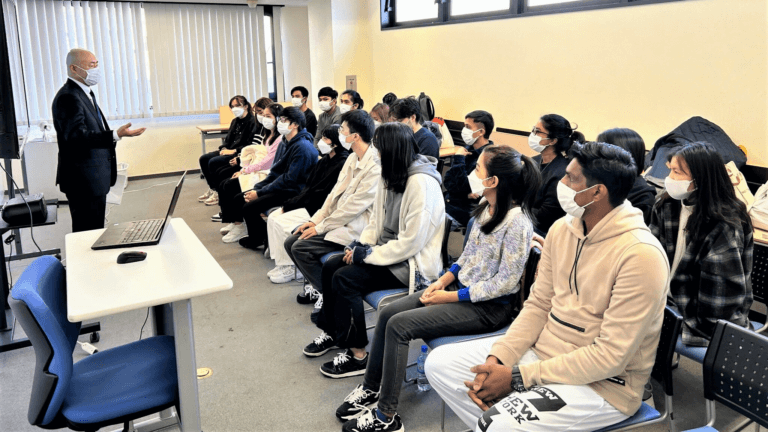
Photo credit: Tokyo Portfolio
Language schools usually allow you to:
- Study Japanese for 6 months to 2 years
- Work part-time up to 28 hours per week
- Prepare for JLPT N3 or N2, which is useful for full-time jobs
While studying, you can experience daily life in Japan, build connections, and improve your language skills. After graduation, many students move on to full-time work at Japanese or international companies.
Services like GoGo Nihon help match students with language schools and support the visa process.
Become an English teacher (for native speakers)
Teaching English is another common way to work in Japan, especially for native English speakers.
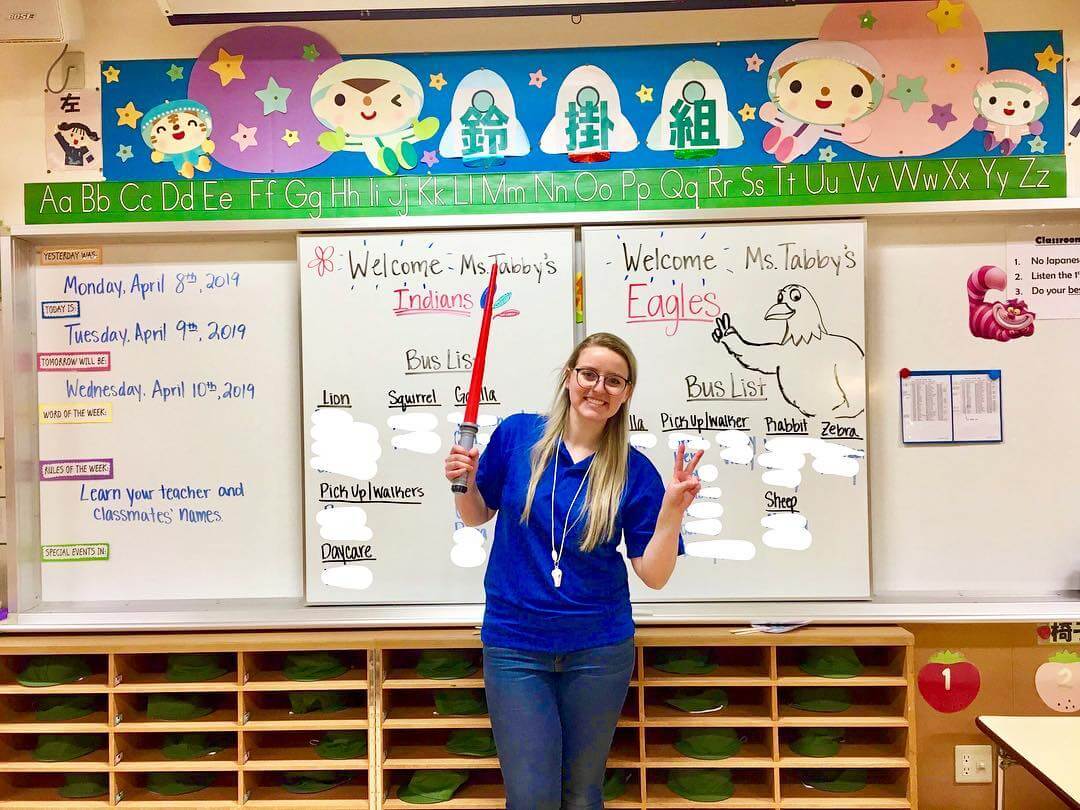
Photo credit: International TEFL Academy
While salaries are usually lower compared to other professions, English teaching is one of the easiest ways to get a work visa. It is a good option if you want to:
- Live in Japan short-term
- Learn about Japanese work culture
- Decide if Japan is right for you long-term
The most well-known program is the JET Programme, which places teachers in schools across Japan.
There are also many private dispatch companies. After 1 to 2 years, some teachers move on to other careers in Japan.
Tech and IT jobs with low Japanese requirements
Japan has a growing demand for tech and IT professionals, and many of these roles do not require high-level Japanese.

Photo credit: YOLO Japan
Common roles include:
- Software developer
- Data engineer
- QA tester
- Cloud engineer
Some companies operate fully in English, especially international firms and startups. However, competition is strong, so keeping your skills updated is very important.
Job platforms like LinkedIn are good places to find openings.
Care worker programs: A high-demand path
Japan’s population is aging, and there is a serious shortage of care workers. Because of this, Japan actively accepts foreign workers in the caregiving field.

Photo credit: Japan Academy
Many programs offer:
- Job training
- Japanese language education
- Long-term career paths
1. Technical Intern Training Program (TITP)
- Designed for foreign workers
- No Japanese required at the start
- Combines work and training
- Usually lasts 3 to 5 years
- Some interns can transition to more stable visas later
2. Specified Skilled Worker (SSW)
This is now one of the most popular visas for care workers.
Requirements include:
- Basic Japanese ability (JLPT N4 or equivalent)
- Passing a caregiving skills test (written and practical)
Many employers offer training before and after arrival in Japan.
Many ways to start your life in Japan
As you can see, there is no single path to working in Japan. Whether you come as a language student, an English teacher, a tech professional, or a care worker, there are many options available, even if you start with little or no Japanese.
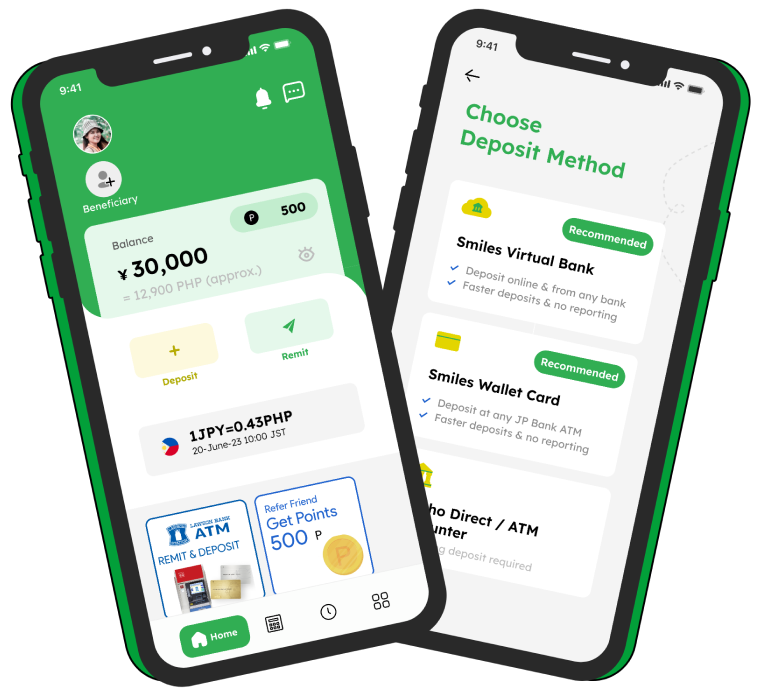
For many foreigners working abroad, supporting family back home is also important. Smiles Mobile Remittance helps make sending money fast, affordable, and stress-free, so you can focus on building your future in Japan.
Today's rate
1 JPY = 0.3715 PHP
2026 March 4, Wed 12:30Ready to send money overseas? Smiles makes sending money fast, safe, and convenient.