


09.11.2025
Japan Increases Foreign Workers in Healthcare Sectors

Table of contents
Japan is experiencing a significant rise in the number of foreign workers entering its healthcare industries. The country’s aging population and the resulting labor shortages in these critical sectors are driving this trend.
Aging Population Drives Demand
As of 2025, approximately 30% of Japan’s population is 65 or older, and that number is expected to keep rising in the coming decades. This demographic shift has led to a surge in demand for medical and caregiving services, placing immense pressure on the existing workforce. Consequently, healthcare facilities are struggling to find enough domestic workers to meet these needs.
Government Initiatives to Attract Foreign Workers
In response to these challenges, the Japanese government has implemented various programs to attract foreign professionals. Initiatives such as the Technical Intern Training Program (TITP), the Specified Skilled Worker (SSW) visa, and Economic Partnership Agreements (EPAs) with countries like the Philippines, Indonesia, and Vietnam have facilitated the entry of foreign nationals into Japan’s healthcare system.
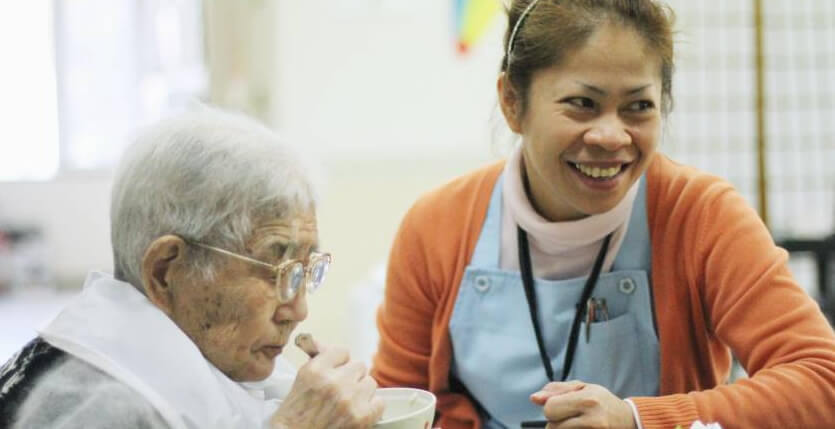
Photo credit: Portal Japan
Economic Incentives for Foreign Workers
Foreign workers come to Japan not only to help in a critical sector but also for the economic benefits. Many caregivers earn an average monthly salary of around 180,000 to 220,000 (approximately 1,200 to 1,500 USD), which is often higher than average earnings in their home countries. Additionally, structured training programs and long-term residency opportunities make Japan an attractive destination for healthcare professionals seeking overseas experience.
Challenges Faced by Foreign Workers
Despite the opportunities, foreign workers encounter several challenges. Language barriers, cultural differences, and limited opportunities for career advancement remain significant hurdles. These issues can impact job satisfaction and retention rates among foreign employees in the sector.
What’s Next for Healthcare and Caregiving
With ongoing policy support and greater social acceptance, foreign workers will play a bigger role in shaping the future of Japan’s healthcare and nursing care industries. Their contributions are not only addressing immediate labor shortages but also enriching the caregiving environment with cultural diversity and new perspectives.
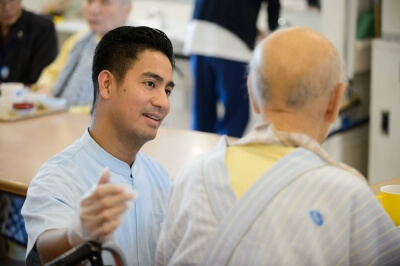
Photo credit: Japan Times
Smiles Empowers Workers in Japan’s Healthcare Sector
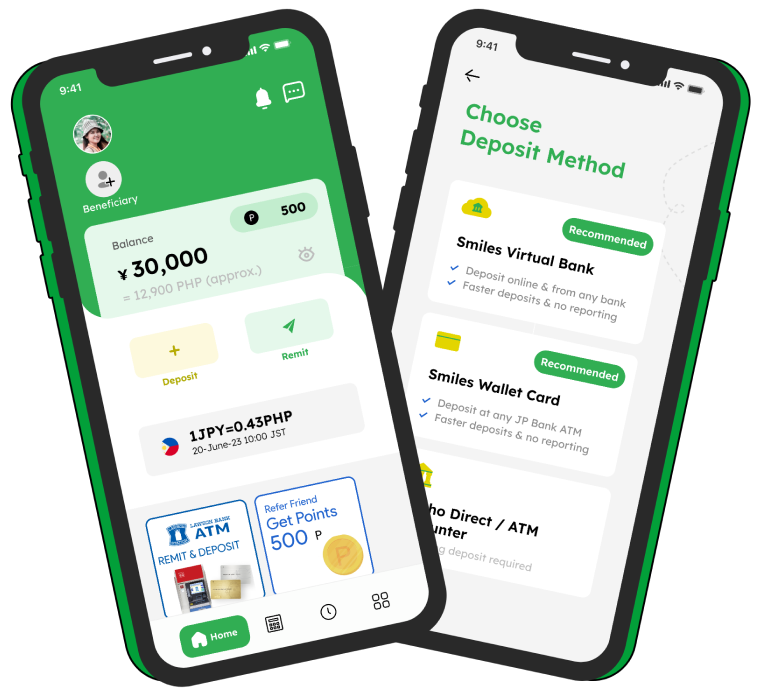
Smiles Mobile Remittance is Japan’s absolute no. 1 mobile remittance app. It helps foreign workers in Japan’s healthcare sectors send money home quickly and securely. The app offers low fees, fast transfers, and multilingual support, making it easier for healthcare workers from countries like the Philippines, Indonesia, and Vietnam to support their families while working abroad.
Today's rate
1 JPY = 0.375 PHP
2026 March 9, Mon 20:00Ready to send money overseas? Smiles makes sending money fast, safe, and convenient.