


03.16.2026
New Cycling Laws in Japan From April 1, 2026: What to Know to Avoid Fines

Table of contents
Cycling laws in Japan are changing
Bicycles are one of the most common ways people travel in Japan. Many residents use bicycles for daily activities such as commuting to work, going to school, shopping and visiting nearby neighborhoods.
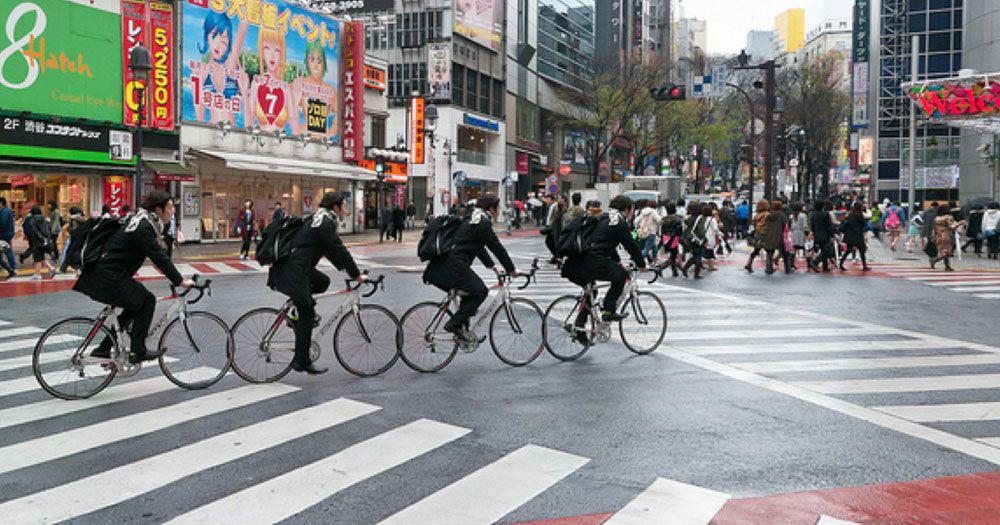
Photo credit: Tulip
Although Japan has long had traffic rules for bicycles, enforcement has often been more relaxed compared with car violations. In many situations, cyclists who broke minor rules received warnings instead of immediate penalties.
This will begin to change on April 1, 2026, when authorities introduce stricter enforcement through a system known as the Blue Ticket System or ao-kippu seido (青切符制度).
Under this system, police officers will be able to issue on-the-spot fines for certain bicycle violations, similar to traffic tickets given to drivers. The rules apply to cyclists aged 16 and older, including foreign residents and visitors.
Understanding these changes can help cyclists avoid fines and ride more safely.
Why Japan is enforcing bicycle rules more strictly
The new system is being introduced partly because bicycle accidents have become a growing concern.
According to the National Police Agency, bicycles are involved in a significant portion of traffic accidents across the country. In many cases, investigations show that cyclists were violating traffic rules at the time of the incident.
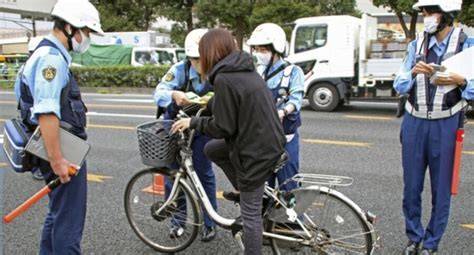
Photo credit: Portal Japan
Before the new policy, there were only two main responses to bicycle violations:
- Minor violations often resulted in a warning from police.
- Serious violations could lead to criminal penalties or court cases.
This created a gap where many unsafe behaviors were not penalized unless an accident occurred.
The new enforcement system aims to address this issue by allowing police to issue immediate fines for smaller violations. Authorities hope this will encourage safer cycling habits and reduce accidents on roads and sidewalks.
Officials have said that more than 100 different bicycle violations may be subject to tickets under the new rules.
What is the Blue Ticket system?
The Blue Ticket system is a traffic enforcement method used in Japan for minor violations.
If a cyclist breaks certain traffic rules, police can issue a Blue Ticket that includes a fixed fine. The cyclist must then pay the fine within a specified period.
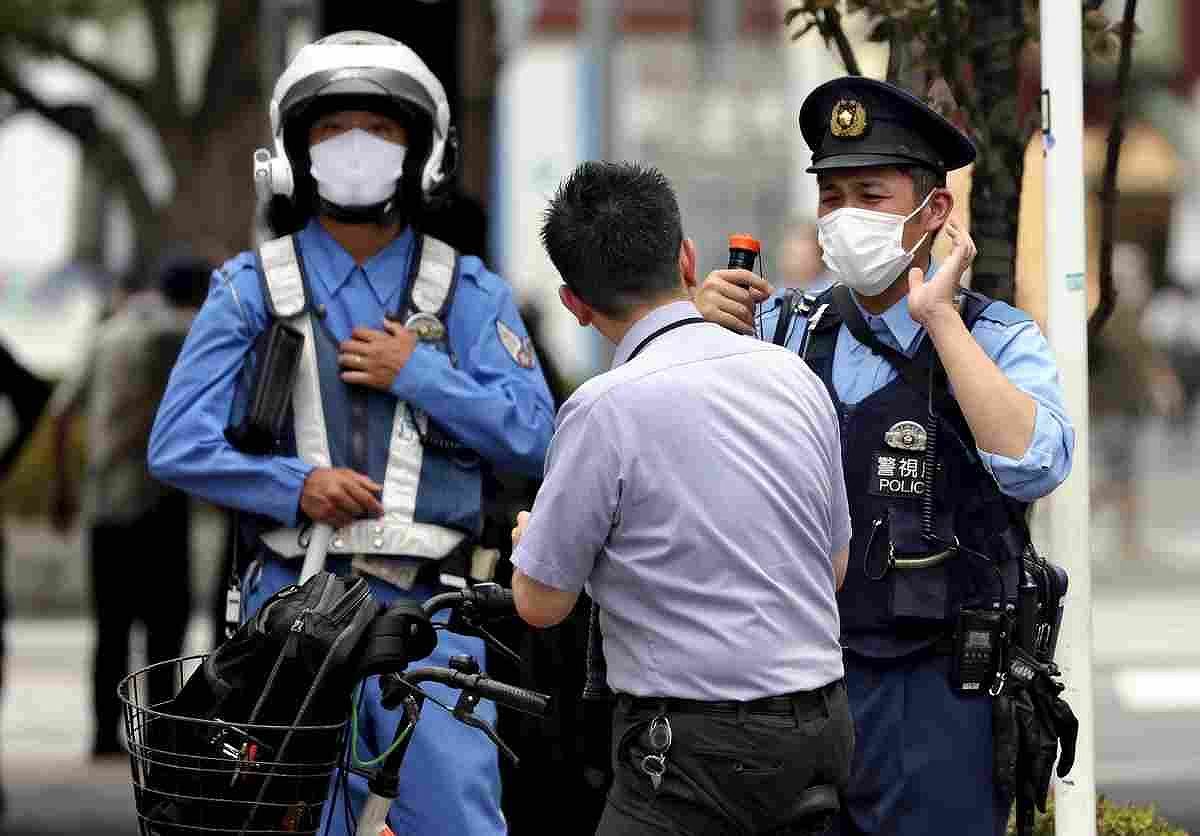
Photo credit: Japan News
If the fine is paid by the deadline, the case is considered resolved and no criminal charges are filed.
This system is different from the Red Ticket system, which is used for more serious violations. Red tickets may lead to formal investigations or criminal proceedings.
By introducing Blue Tickets for bicycles, authorities are creating a middle level of enforcement between warnings and criminal penalties.
Common bicycle violations and fines in Japan
Authorities say there are more than 100 potential bicycle violations under traffic laws. However, several common behaviors are likely to be frequently enforced.
Using a smartphone while riding
Fine: about ¥12,000
Using a phone while cycling can significantly reduce awareness of traffic conditions.
Examples include:
- Looking at a smartphone screen while riding
- Sending messages or typing
- Holding a phone in one hand while steering
Because distracted riding increases the risk of accidents, this violation carries one of the highest fines.
Riding on the wrong side of the road
Fine: about ¥6,000
In Japan, cyclists are generally required to ride on the left side of the road, moving in the same direction as cars.
Riding against traffic can make it difficult for drivers to predict a cyclist’s movements and is considered a dangerous behavior.
Ignoring traffic signals
Fine: about ¥6,000
Cyclists must follow traffic signals just like motor vehicles.
Violations may include:
- Riding through a red light
- Ignoring pedestrian crossing signals
- Failing to stop when required
Ignoring signals increases the risk of collisions with vehicles and pedestrians.
Failing to stop at intersections
Fine: about ¥5,000
Cyclists must stop completely at intersections that have stop signs.
Even a rolling stop, where the rider slows down but does not fully stop, may result in a ticket under stricter enforcement.
Other common bicycle violations
Some behaviors that are commonly seen on Japanese streets may also lead to fines
| Violation | Possible fine |
| Riding with headphones or earphones | Around ¥5,000 |
| Holding an umbrella while cycling | Around ¥5,000 |
| Riding a bicycle without lights at night | Around ¥5,000 |
| Riding side-by-side with another cyclist | Around ¥3,000 |
| Carrying a passenger on a bicycle | Around ¥3,000 |
These actions can make it harder for cyclists to maintain balance, hear traffic or react to sudden situations.
What happens if you receive a bicycle ticket?
If police observe a violation, they may issue a Blue Ticket on the spot.
The ticket will include information about the violation and the amount of the fine. Cyclists are usually required to pay the fine within about the week.
Payments are typically made at:
- Banks
- Post offices
If the fine is paid within the deadline, the matter is considered settled.
However, failing to pay the fine could result in the case being referred for further legal procedures.
Ride safely in Japan
Bicycles remain one of the most convenient and affordable ways to travel in Japan. They are widely used in both large cities and smaller communities.
With the new enforcement system beginning in April 2026, cyclists should become familiar with traffic rules and practice safe riding habits.
Following the rules helps protect:
- Cyclists themselves
- Pedestrians
- Drivers and other road users
Japan is also introducing other regulatory changes this year. You can learn more in our articles about tax refund method changes and the revised Industrial Safety and Health Act for 2026.
At Smiles, we know that building a comfortable life in Japan means understanding local rules and systems. In 2026 we are seeing a lot of updates to laws including changes to how Tax Refund works for tourists and revised laws to the Industrial Safety and Health Act. Just as learning these changes can help you avoid fines and improve your quality of life, Smiles is here to help make daily life easier by providing a simple and reliable way to support your loved ones back home.
Today's rate
1 JPY = 0.38 PHP
2026 March 20, Fri 15:30Ready to send money overseas? Smiles makes sending money fast, safe, and convenient.