


03.25.2026
Small Mistakes That Can Cost You Money in Japan (And How to Avoid Them)
Table of contents
Living in Japan offers stability and opportunity, but it also comes with responsibilities. For many overseas Filipino workers, managing daily expenses while supporting family back home is not always easy.
Sometimes, it is not the big expenses that affect your finances. It is the small, everyday mistakes, the ones that are easy to overlook and slowly take away from your savings.
When you are working hard for your future and for your family, every yen matters. Understanding how things work in Japan can help you avoid unnecessary costs and make your income go further.
Ignoring important mail from your city
Adjusting to life in Japan can be overwhelming, especially when you receive letters you cannot easily understand. Because of this, many people delay opening or reading official mail.
However, these letters often include important payments such as residence tax, health insurance and pension contributions. Missing these notices does not mean the payment goes away. Instead, it can lead to late fees and added stress later on.
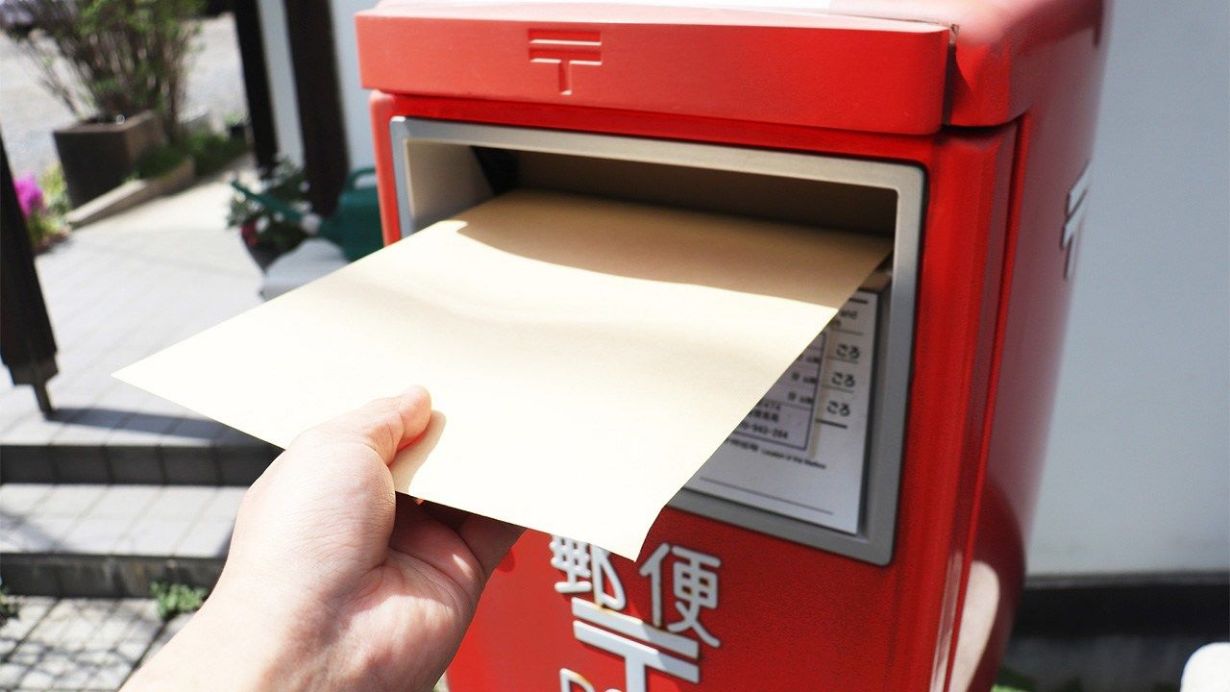
Photo credit: Nippon
For many OFWs, this can be difficult, especially when you are already budgeting carefully to support your family. Taking a few minutes to check your mail, translate it and organize it can help you stay on track and avoid extra costs.
Forgetting to pay bills on time
Life can get busy. Between work, long hours and daily responsibilities, it is easy to forget about bills that need to be paid manually.
In Japan, many payments still require action from you. Missing a deadline can result in late fees, service interruptions or reconnection charges. These are small costs, but they add up over time. For a better understanding of bills in Japan, check out our guide here.
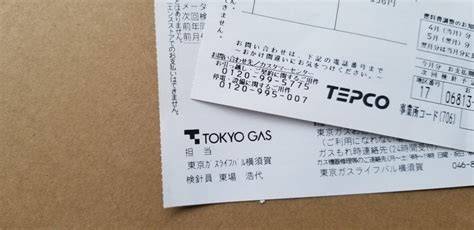
Photo credit: Kristen Abroad
For someone sending money home regularly, even small extra expenses can make a difference. Building a habit of paying bills right away or setting reminders can help you stay in control of your finances.
Not being aware of everyday rules
Japan has many rules that may not always be explained clearly, especially to foreigners.
With stricter enforcement, simple actions like using your phone while cycling or not following traffic rules can now lead to fines.
For OFWs, these unexpected penalties can feel frustrating, especially when you are trying to save money or send more home.
Taking time to understand basic rules in your area can help you avoid these situations and keep your expenses predictable.
Spending too much at convenience stores
Convenience stores are part of daily life in Japan. They are quick, easy and always nearby, especially after a long day at work. But relying on them too often can quietly increase your spending.
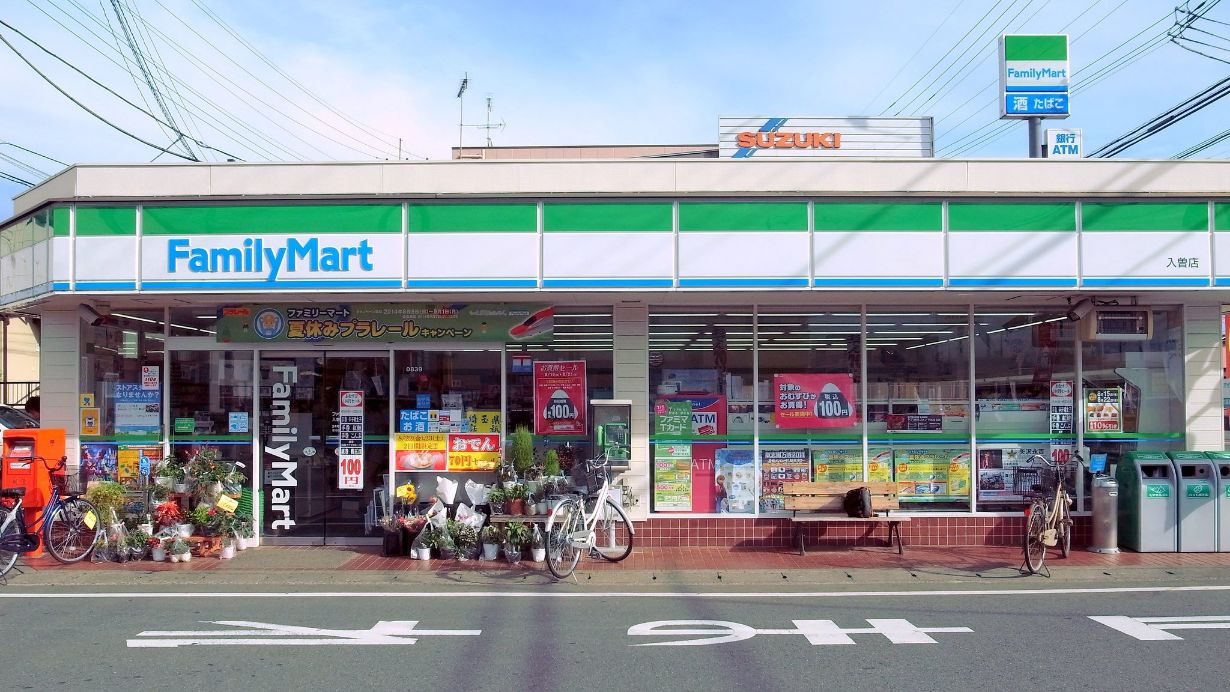
Photo credit: Elite Havens
Buying ready-made meals, drinks and snacks everyday may feel small, but over time, it can take away from your savings or the amount you can send home. For many OFWs, every extra yen could mean more support for their family. Balancing convenience with smarter choices like supermarket shopping can help you stretch your budget further.
Not planning for seasonal expenses
Japan’s seasons can be very different from what many Filipinos are used to.
Summer can be extremely hot, while winter can be very cold. This means higher use of air conditioning and heating, which leads to higher electricity bills. If you are not prepared, these changes can come as a surprise.

Photo credit: Onya Magazine
For someone carefully budgeting each month, a sudden increase in bills can affect how much you are able to save or send home.
Planning ahead and expecting these changes can help you manage your finances more smoothly.
Underestimating the real cost of rent
Finding a place to live is one of the biggest decisions you will make in Japan. Many people focus on the monthly rent, but there are often additional costs involved.
These can include maintenance fees, renewal fees and key money.
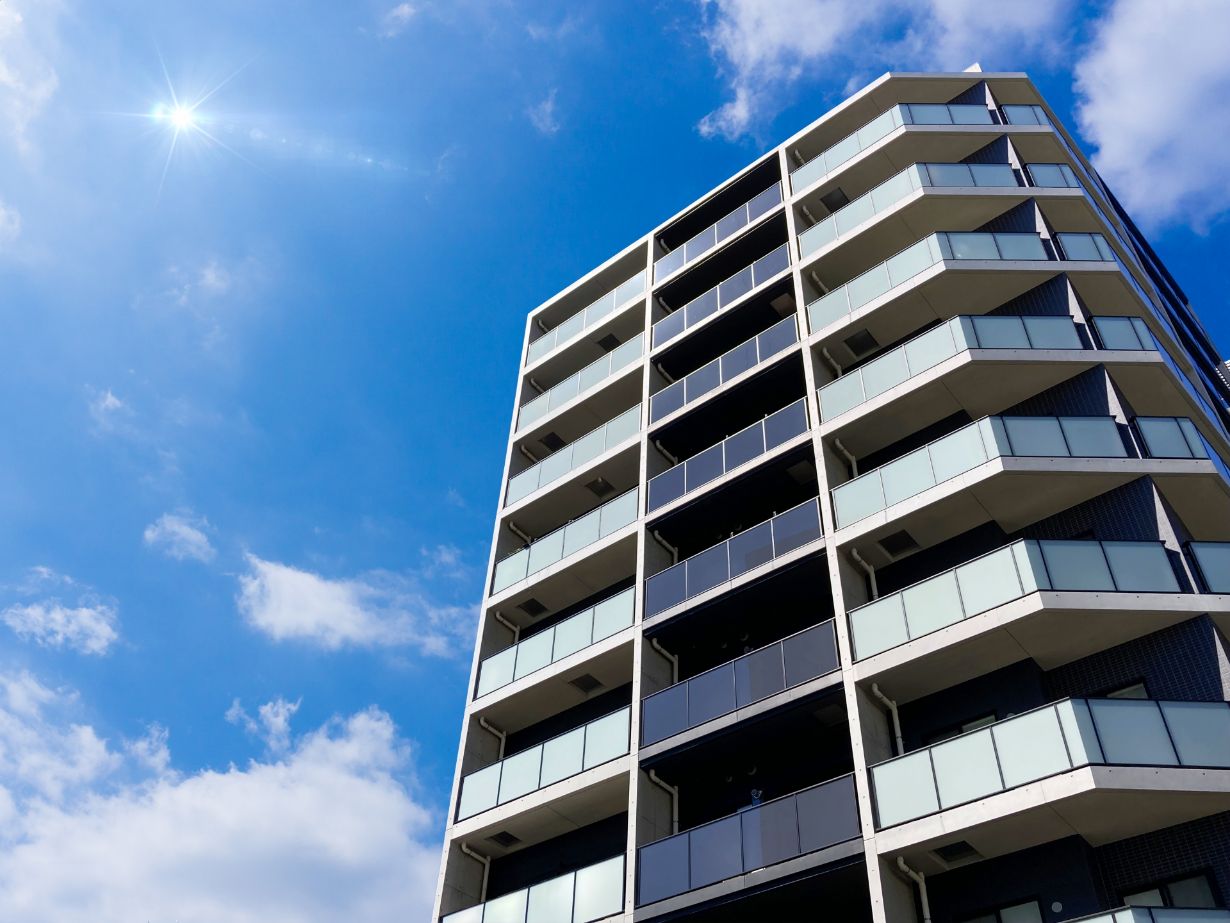
Photo credit: Japan Wonder Travel
For OFWs, these unexpected expenses can feel heavy, especially when you are already supporting your family back home.
Understanding the full cost before signing a contract can help you avoid financial pressure later on.
Sending money home without a plan
Sending money home is one of the most important responsibilities for many Filipinos working abroad. But without a clear plan, it can sometimes lead to financial stress.
Sending money whenever there is a request, without setting a budget, can make it harder to manage your own needs in Japan. Over time, this can affect your savings and stability.
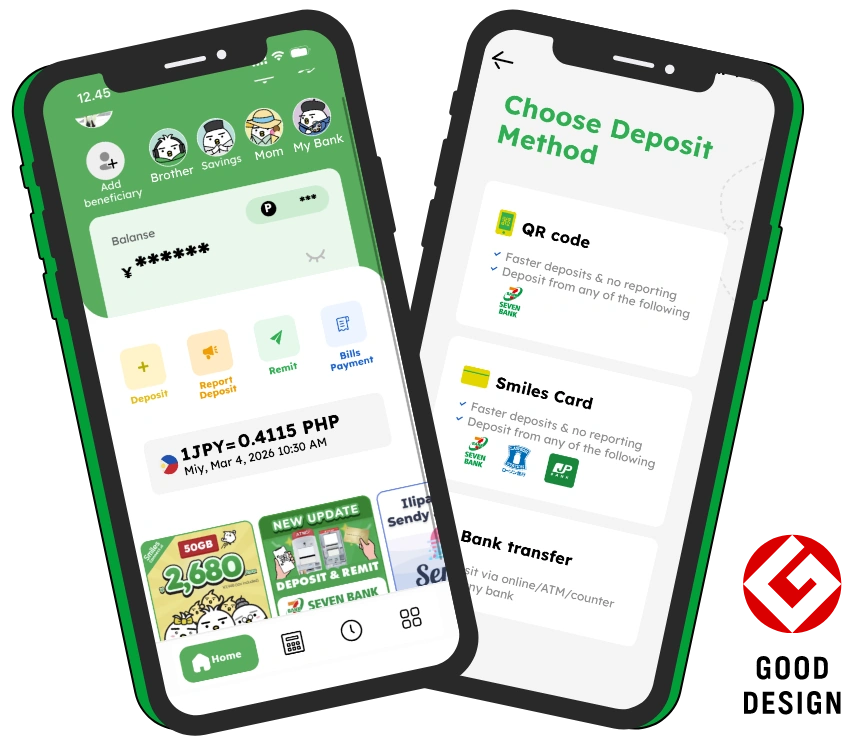
Creating a simple plan, deciding how much and when to send, allows you to support your family while still taking care of yourself. For example, sending money through Smiles gives you an everyday great rate, 24/7 multilingual customer support, and Smiles points you can use to lower your fees through every transaction!
Balancing life in Japan
Living and working in Japan is not always easy, especially when you are balancing your own needs with the needs of your family back home. Most of these mistakes are small and easy to miss. But together, they can affect your ability to save, plan and provide.
By understanding how things work, staying organized and making small adjustments, you can avoid unnecessary expenses and make your income go further.
At Smiles, we understand the effort behind every remittance. With better planning and awareness, you can manage your life in Japan more confidently while continuing to support the people who matter most.
Today's rate
1 JPY = 0.377 PHP
2026 March 26, Thu 14:30Ready to send money overseas? Smiles makes sending money fast, safe, and convenient.