
05.21.2026
How to Get a Driver’s License in the U.S. as an Immigrant: A Simple Guide

Table of Content
For many people living in the United States, having a driver’s license is an important part of daily life. In many cities and states, driving is the easiest way to get to work, school or the grocery store.
For immigrants and newcomers, the process of getting a U.S. driver’s license may feel confusing at first. The rules can vary depending on the state, but the general process is usually similar across the country.
Here is a simple guide to help you understand how it works.
Why a driver’s license is important in the U.S.
Unlike countries with extensive public transportation systems, many areas in the U.S. rely heavily on cars. Outside of large cities like New York or Chicago, buses and trains may be limited.
A driver’s license can help make everyday life easier. It is also commonly used as a valid form of identification for opening bank accounts, traveling domestically and completing official paperwork.
Requirements may differ by state
One important thing to know is that driver’s license rules vary by state. This means the requirements in California may be different from those in Texas or Florida.
Most states have their own Department of Motor Vehicles (DMV) or licensing office that handles applications, tests and renewals.
Before applying, it is best to check your state’s official DMV website for updated information.
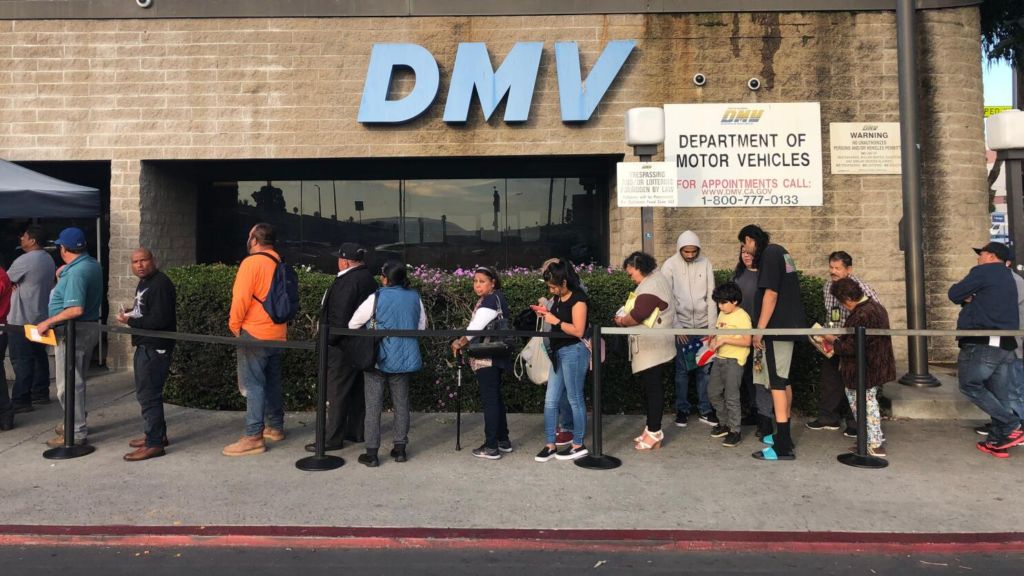
Photo credit: DMV Review
Common documents you may need
While requirements differ, most states usually ask for:
- Passport
- Visa or immigration documents
- Proof of address
- Social Security Number (If applicable)
- Birth certificate or other identification documents
Some states also allow certain immigrants without a Social Security Number to apply using alternative documents.
Step 1: Pass the written test
Most applicants must first take a written knowledge test. This exam checks your understanding of:
- Traffic laws
- Road signs
- Driving safety rules
Many states provide free driver’s manuals online to help people study. Some states even offer exams in multiple languages.
After passing the written test, you may receive a learner’s permit.
Step 2: Practice Driving
With a learner’s permit, you can begin practicing driving legally under your state’s rules.
New drivers usually practice:
- Parking
- Turning
- Highway driving
- Obeying traffic signs
- Safe driving techniques
Some people choose to attend driving school, while others practice with family or friends.

Photo credit: Legacy Driving Academy
Step 3: Take the driving test
The next step is the road test, where an examiner watches your driving skills.
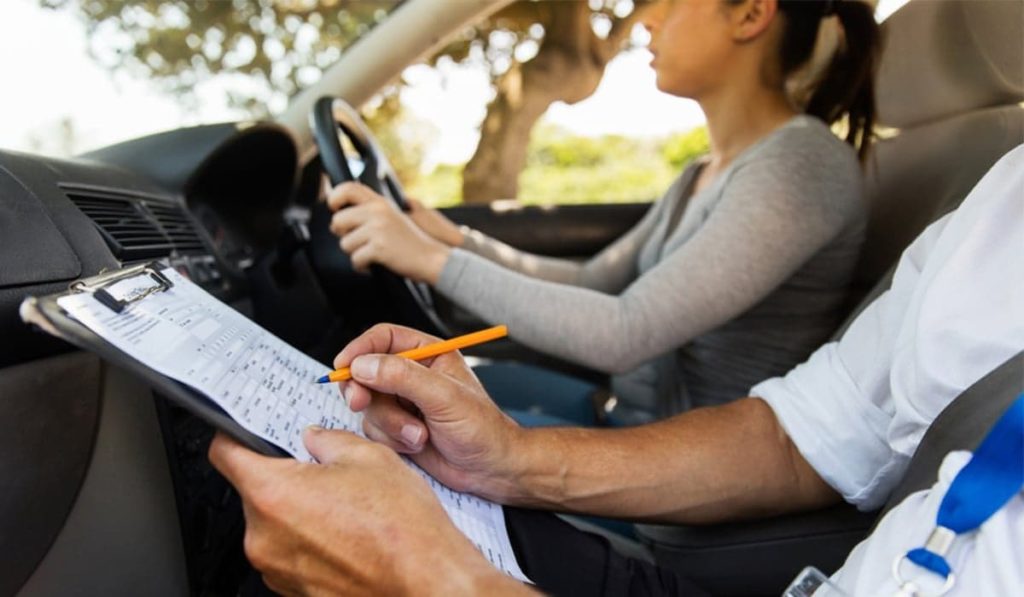
Photo credit: Driving Lessons Cork
During the test, they may check:
- Parking ability
- Lane changes
- Use of mirrors and signals
- Speed control
- Overall safety
If you pass, you can receive your driver’s license.
What is REAL ID?
Many states now issue REAL ID-compliant licenses. A REAL ID is a federally accepted identification card that can be used for domestic flights and entering certain federal buildings.
Beginning in 2025, many travelers in the U.S. will need a REAL ID or another approved identification document for domestic air travel.
Car insurance is required
In most states, drivers are legally required to have car insurance. Insurance costs can vary depending on:
- Your age
- Driving experience
- Location
- Vehicle type
New drivers and immigrants may sometimes pay higher insurance rates at first because they do not yet have a U.S. driving history.
Tips for new immigrants
Getting a driver’s license may take time, but preparation can help make the process smoother.
Photo credit: iStock Photo
Helpful tips include:
- Study your state’s driver handbook carefully
- Practice driving regularly
- Prepare all documents in advance
- Make DMV appointments early if possible
It is also important to stay patient. DMV offices can sometimes be crowded or require long wait times.
Send money back home with Smiles
Getting a U.S. driver’s license is an important step for many immigrants building a new life in America. While the process may seem overwhelming at first, understanding the requirements and preparing early can make things much easier.
For many overseas workers and families, adjusting to life abroad also includes managing finances and supporting loved ones back home. At Smiles Mobile Remittance, we help make sending money home safer, faster and more convenient so immigrants can focus on building their future in the U.S.
Today's rate
1 USD = 62.4 PHP
2026 September 18, Fri 11:25Ready to send money overseas? Smiles makes sending money fast, safe, and convenient.