

02.16.2026
What Factory and Physical Workers in Japan Should Know About the Revised Industrial Safety and Health Act 2026
Table of contents
For many foreigners living in Japan, working in physically demanding jobs is part of daily life. Whether in factories, warehouses, construction sites, logistic centers or busy restaurant kitchens, these jobs help workers support their families back home through regular remittances. Staying safe at work is not just about comfort, it is essential for long-term health and financial stability.
In 2026, Japan plans to update and expand the Industrial Safety and Health Act (労働安全衛生法改正, Rōdō Anzen Eisei Hō Kaisei) to strengthen worker protections and make workplaces safer for everyone. This article breaks down those changes in simpler terms, explains why they matter, and highlights how they could improve conditions for people in physically demanding roles.
How the law is changing
The Industrial Safety and Health Act is a long-standing Japanese law that requires employers to protect the health and safety of their workers. The updated version of the law, set to take effect in April 2026, introduces new protections and clearer requirements designed to make workplaces safer and more consistent across industries.
Here are the key changes workers should know:
1. Broader protection for non-traditional workers
Under the previous version of the law, some safety proctections applied mainly to traditional employees. The revised law changes this. Now, it also covers workers who are freelancers, contractors or self-employed, as long as they perform hazardous tasks or work alongside other employees.
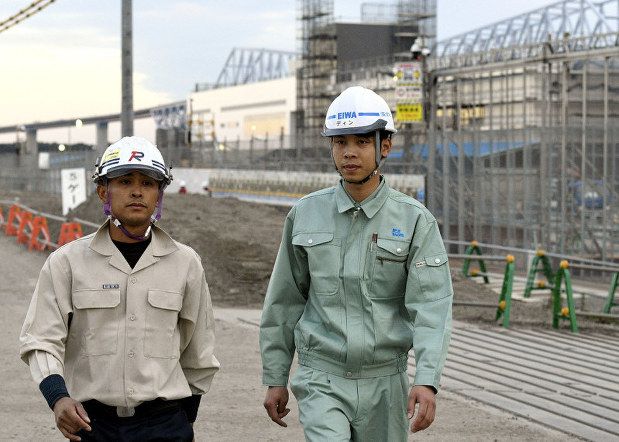
Photo credit: Mainichi
This is especially important for people working in factories or on haken (dispatch) contracts, where employment status can vary from site to site. The change means companies must extend certain safety measures and reporting requirements to more types of workers, not just full-time staff.
2. Clearer accident and injury reporting
The updated law requires employers to report serious workplace accidents more reliably. This includes incidents involving death or major injury.
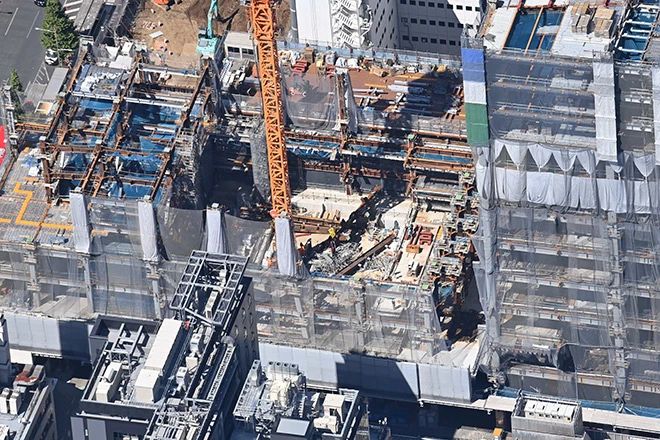
Photo credit: Asahi
Previously, some accidents might have been handled informally or under-reported. The new requirements aim to reduce that by ensuring that serious injuries are documented and reported to the Labour Standards Inspection Office. Standardized reporting makes it easier to spot trends, fix hazards and prevent similar accidents in the future.
3. Expanded health and safety obligations
The revisions also expand what employers must do to prevent health risks at work. Key areas include:
Stress checks for mental health
Stress checks help detect early signs of mental strain and prevent long-term illness. Under the updated law, these checks will be required in more workplaces, not just offices with 50 or more employees
Better chemical safety
Companies must improve how they handle hazardous chemicals. This includes stronger risk assessments and clearer communication, such as improved Safety Data Sheets to explain risks and safe handling procedures.
Support for older workers
The law now emphasizes a safer environment for older employees, recognizing that they may face higher risk in physically demanding jobs.
Taken together, these measures aim to reduce injury, illness and chronic work-related stress, a meaningful improvement for workers in demanding roles.
4. Heatstroke and other safety measures
Some of the updated safety measures are already in effect. One example is new requirements to protect workers from heatstroke, especially during Japan’s hot summer months.
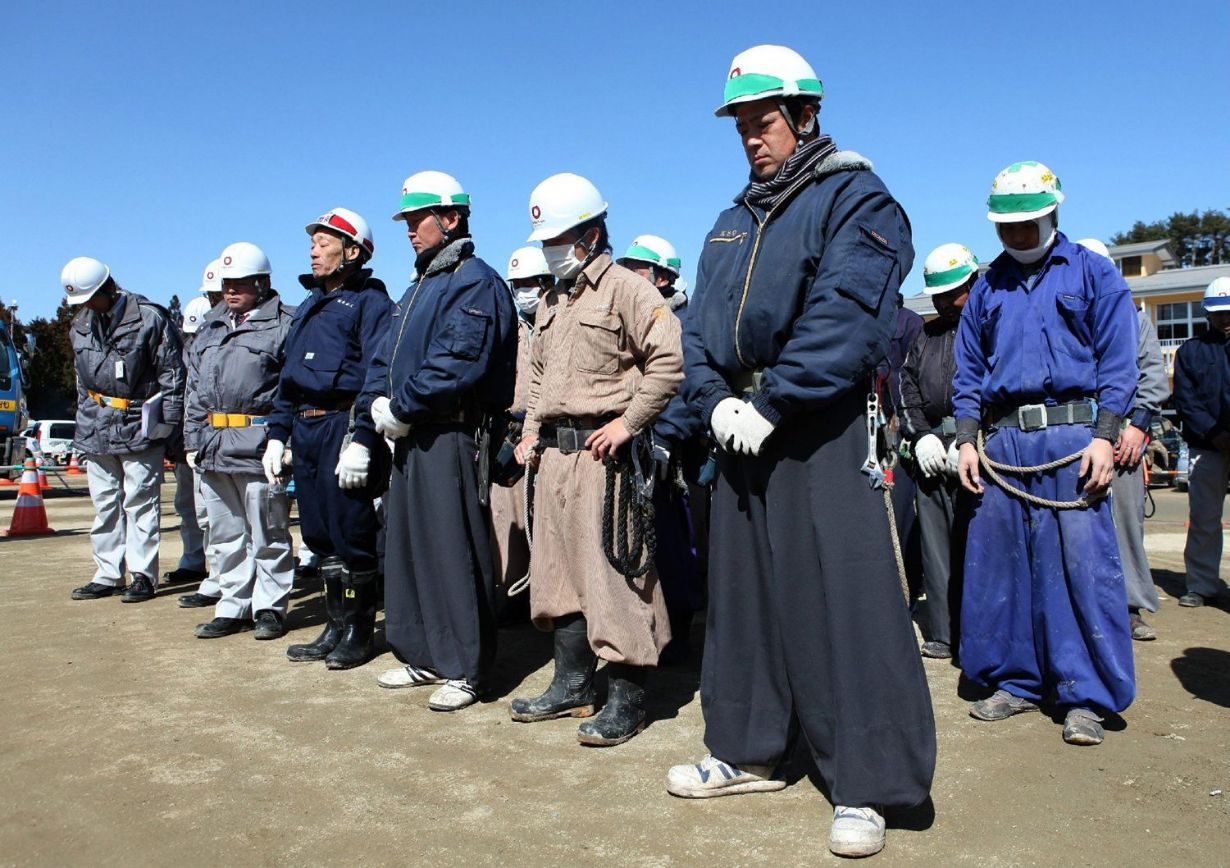
Photo credit: Richard Illingworth
Companies must now take active steps to prevent heat-related illness at outdoor worksites and in manufacturing plants without sufficient cooling. For workers in logistics, construction and outdoor jobs, this can make a big difference during the hottest parts of the year.
What workers can expect
The goal of these law changes is prevention, not punishment. While authorities will have stronger tools to require improvements when hazards are found, the focus is on making work environments safer in the first place.
Workers may notice changes such as:
- More regular safety briefings and training sessions
- Clearer procedures for reporting risks or injuries
- Mandatory health and stress checks
- Better protective gear and risk assessments
- Stronger labeling and precautions for chemical handling
These changes could involve new forms, meeting with supervisors or additional notices from management. While that may feel like extra work, the goal is to help prevent injuries and make workplaces safer for everyone.
If you are unsure about a requirement at your workplace, you can always reach out to your union representative, co-workers or the local Labour Standards Inspection Office for help.
A thought for workers who support families abroad
Working in physically demanding jobs, whether on a factory line, in logistics or on a construction site, requires strength, resilience and long hours. Many workers are not just earning for themselves, but also sending money home to support loved ones. That is a huge responsibility, and good health matters.
These legal changes are a step toward safer, fairer and more predictable working conditions. Safer workplaces mean fewer injuries, more stability and a better ability to focus on what matters most, including the families you care for across borders.
At Smiles, we understand that behind every paycheck and every international transfer is a story of family, sacrifice and connection. Just as these safety reforms aim to make your work life more secure, Smiles Mobile Remittance is here to make managing and sending money home simple, reliable and as stress-free as possible.
Today's rate
1 JPY = 0.375 PHP
2026 February 23, Mon 15:15Ready to send money overseas? Smiles makes sending money fast, safe, and convenient.