05.15.2026
What to Know About American Summers

Table of Content
Summer in the United States can feel very different depending on where you live. Some areas experience extreme heat and humidity, while others stay mild and comfortable. For newcomers, especially immigrants and international students, adjusting to an American summer can take time.
From rising electricity bills to heat safety and travel season, there are several things to prepare during the warmer months. Understanding what to expect can help you stay safe, comfortable and save money.
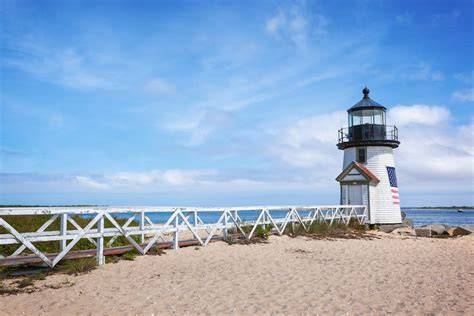
Photo credit: Travel by Brit
Summers in the U.S. can be very hot
Many parts of the United States experience high temperatures during summer, especially from June to August. States like Texas, Arizona, Nevada and Florida are known for extreme heat. In some cities, temperatures can go above 100℉ (38℃).
Humidity can also make the weather feel even hotter, particularly in southern and eastern states. Places like Florida, Louisiana and New York often experience humid summers.
Meanwhile, some areas such as parts of California, Washington and Colorado may have cooler or drier summers.

Photo credit: LA Times
Air conditioning is common
Unlike in some countries, air conditioning is very common in the U.S. Homes, offices, malls, restaurants and public transportation often use strong air conditioning during summer.
This means you may need to carry a light jacket or sweater indoors even when it is very hot outside.
However, using air conditioning regularly can increase your electricity bill. Many families try to save energy by:
- Using fans
- Closing curtains during the day
- Adjusting the thermostat
- Avoiding heavy appliance use during peak hours
Summer is travel season
Summer is one of the busiest travel seasons in America. Many families take vacations while schools are on break. Airports, tourist attractions and highways can become crowded, especially during holidays like:
- Independence day
- Memorial day
- Labor day
Because of higher demand, flights and hotels may become more expensive during summer. Booking early can help save money.

Photo credit: The Frisky
Stay hydrated and protect yourself from the heat
Heat-related illnesses are common during summer in the U.S. It is important to drink enough water and avoid staying under direct sunlight for long periods.
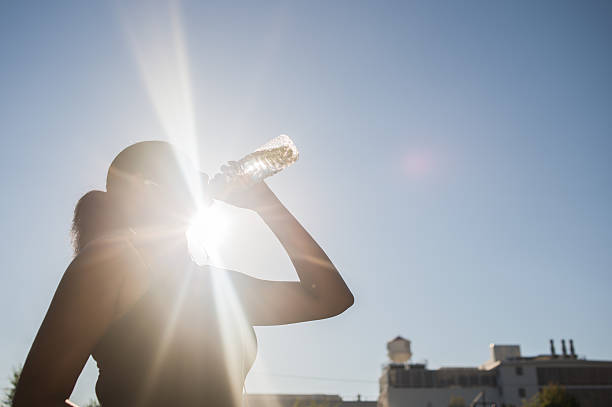
Photo credit: iStock
Some helpful summer safety tips include:
- Drink water regularly
- Wear light and breathable clothing
- Use sunscreen outdoors
- Avoid outdoor activities during the hottest hours
- Never leave children or pets inside parked cars
Many cities also open cooling centers during heat waves for people who need air-conditioned spaces.
Summer storms and hurricanes
Summer is also hurricane and storm season in some parts of the country. States near the Atlantic Ocean and Gulf Coast, such as Florida and Texas, may experience hurricanes between June and November.
Heavy rain, flooding and power outages can happen during severe weather. It is a good idea to prepare an emergency kit with:
- Water
- Flashlights
- Batteries
- Power banks
- Important documents
- Basic food supplies
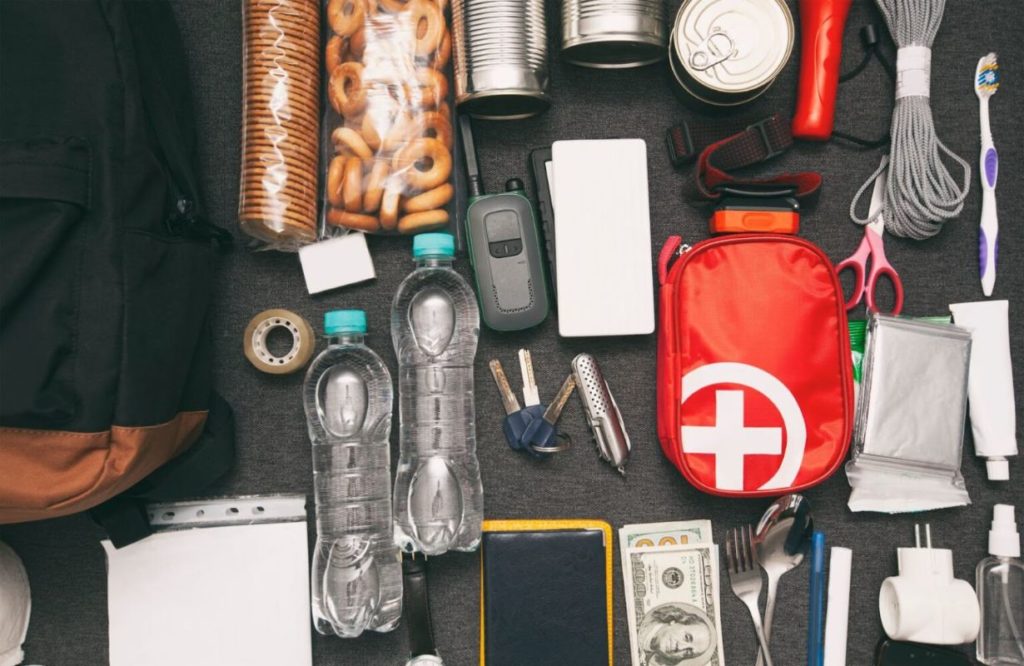
Photo credit: Disaster Clean Up Utah
Seasonal expenses can increase
Summer can bring higher monthly expenses. Electricity bills often rise because of air conditioning use, while travel and family activities can add extra costs.
Planning your budget ahead of time can help manage seasonal spending. Some people also send extra money home during summer vacation season to support their families.
At Smiles, we understand how important it is to stay connected with loved ones while managing daily expenses abroad. Whether you are adjusting to your first American summer or planning seasonal travel, Smiles helps make sending money home easier, safer and more convenient.
Today's rate
1 USD = 62.4 PHP
2026 September 18, Fri 11:25Ready to send money overseas? Smiles makes sending money fast, safe, and convenient.