09.16.2026
Filipino American History Month: Celebrating Filipino Heritage in the U.S.
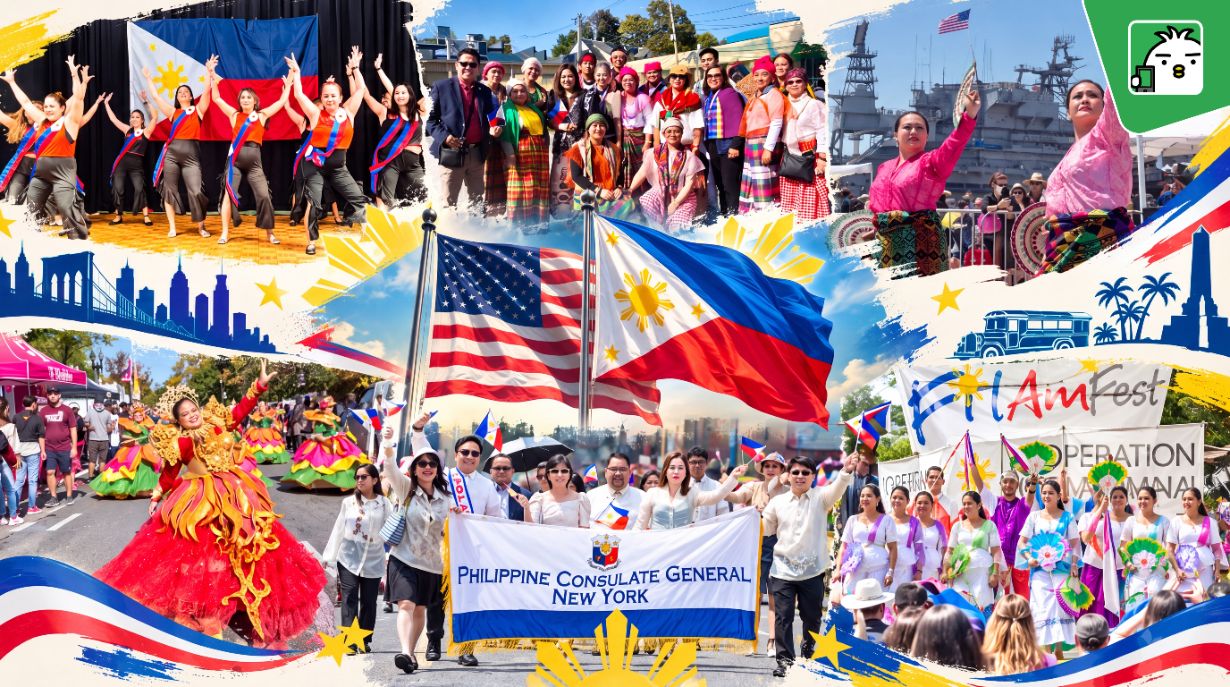
Table of Content
October is Filipino American History Month (FAHM), a time to recognize the history, culture and contributions of Filipino Americans across the United States.
For Filipino Americans, October is more than a month of celebration. It is an opportunity to learn about the generations who came before, recognize the communities they built and celebrate the Filipino heritage that continues to shape life in the United States.
Why is October Filipino American History Month?
October was chosen because it marks one of the earliest recorded moments of Filipino presence in what is now the United States.
On October 18, 1587, a group identified in Spanish records as “Luzones Indios” came ashore from the Spanish galleon Nuestra Senora de Esperanza at what is now Morro Bay, California. This is recognized as the first recorded presence of Filipinos in the continental United States.
This moment took place more than four centuries ago, but it represents the beginning of a long and evolving Filipino American story.
Today, Filipino Americans are one of the largest Asian American communities in the United States. Their history includes generations of immigrants, workers, families, students, health care professionals, business owners, artists and community leaders who have contributed to American society while maintaining connections to Filipino culture and traditions. Organizations describe Filipino Americans as the second-largest Asian American group in the nation and the third-largest ethnic group in California.

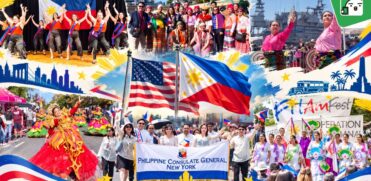
Photo credit: Filam Tribune
How did Filipino American History Month begin?
The observance of Filipino American History Month began with the Filipino American community itself.
In 1992, the Filipino American National Historical Society (FANHS), founded by Dr. Dorothy Laigo Cordova and the late Dr. Fred Cordova, established October as Filipino American History Month through a resolution of its National Board of Trustees. October was selected to commemorate the 1587 landing at Morro Bay.
The observance continued to grow through Filipino American organizations, schools, universities, museums and community groups across the country.
In 2009, the U.S. Congress officially recognized October as Filipino American History Month. Since then, cities, counties and states across the country have also recognized the month through their own proclamations and resolutions.
Then, in 2015, President Barack Obama hosted the first Filipino American History Month celebration at the White House, marking another important moment in the national recognition of Filipino American history.
Celebrating Filipino American History and Culture
Filipino American History Month is celebrated in many different ways across the United States.
Communities organize cultural festivals, educational programs, exhibits, panel discussions, performances and other events throughout October. Schools and universities may also use the month as an opportunity to teach students about Filipino American history and the experiences of different generations.
For many people, celebrating FAHM can be as simple as learning more about their family history, sharing Filipino traditions with younger generations or supporting Filipino American businesses and organizations
FANHS also encourages people to explore Filipino American history through books, films, oral histories, community events and educational resources.
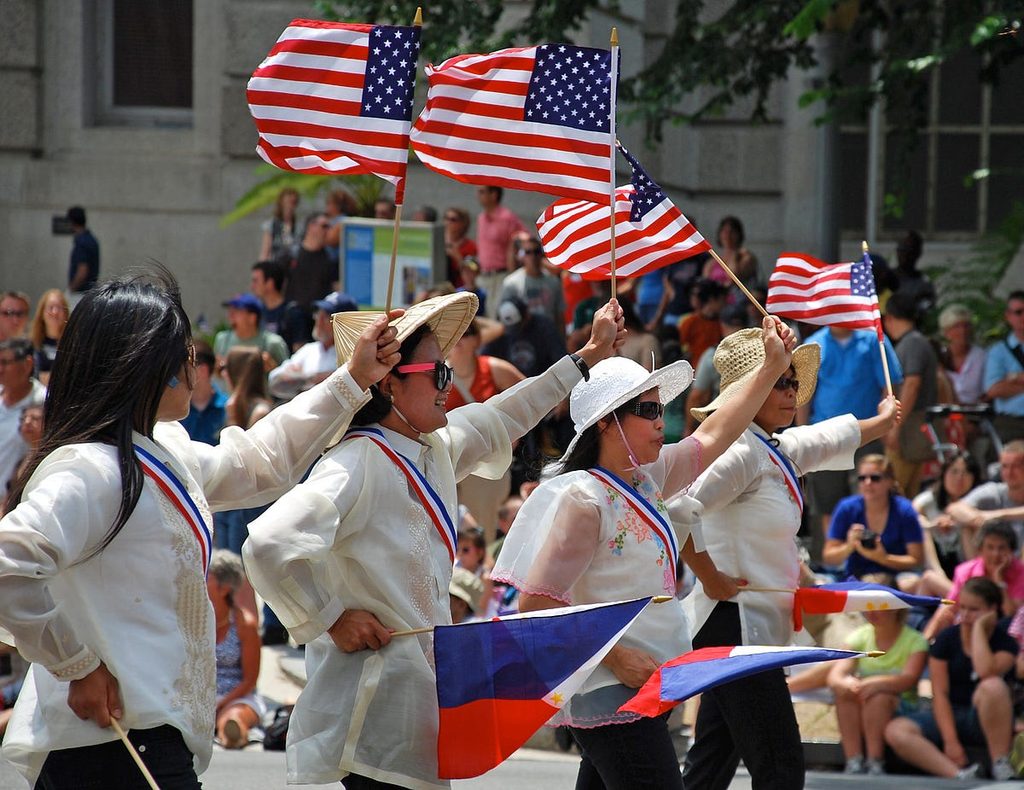
Photo credit: Medium
Remembering the generations who came before
Filipino American history is a story of migration, hard work, resilience and community.
Over the years, Filipino immigrants and their families have established communities throughout the United States. They have worked in fields ranging from health care and education to agriculture, technology, business and the arts.
The history also includes difficult chapters. Filipino Americans have faced discrimination and exclusion, while community leaders and workers organized to fight for better working conditions, equal rights and greater recognition.
The history of Filipino Americans is therefore not only about where Filipinos came from. It is also about the communities they built and the contributions they continue to make.
FANHS emphasizes the importance of preserving these stories so that future generations can learn from them and continue building on the legacy of Filipino American communities.
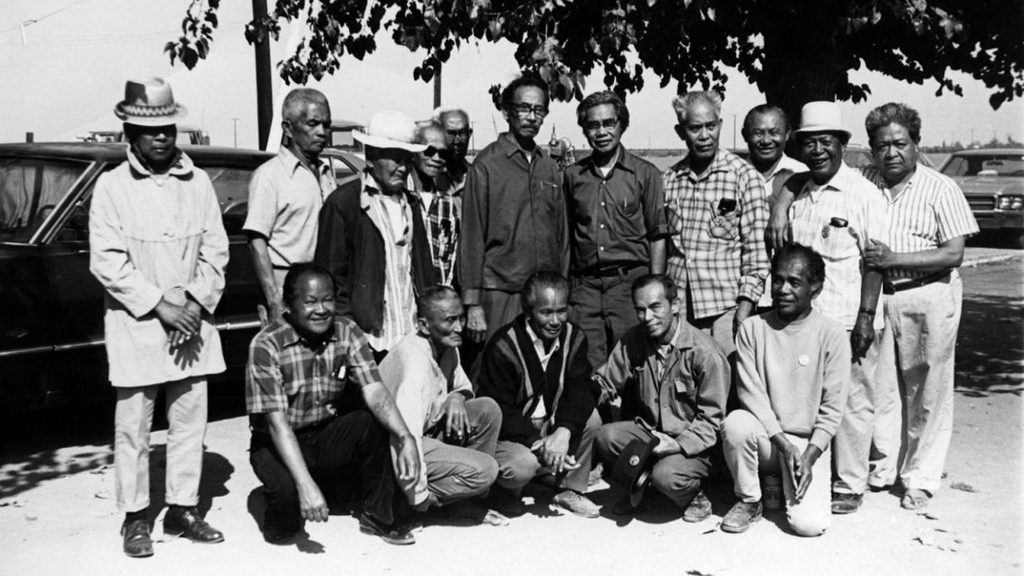
Photo credit: CNN
Filipino American History Month Today
Today, Filipino American History Month is an opportunity for both Filipino Americans and the wider community to learn more about Filipino heritage and its place in American history.
Whether you attend a local Filipino festival, visit a museum exhibit, learn about an important Filipino American figure or simply talk with your family about your roots, there are many ways to take part.
For younger generations in particular, FAHM can be a chance to learn the stories of their parents, grandparents and ancestors and understand how those experiences helped shape their families today.
As FANHS notes, preserving Filipino American history helps create a lasting legacy for future generations.
Staying connected across generations and borders
For many Filipinos living in the United States, being part of a Filipino American community is also about staying connected to family and loved ones in the Philippines.
Distance may change where we live, but it does not have to change the relationships, traditions and values that connect us.
At Smiles Mobile Remittance, we understand the importance of staying connected across borders. As a digital remittance service serving Filipino communities in the United States and other countries, Smiles helps make it easier to send money to loved ones in the Philippines.
This Filipino American History Month, take time to learn the history, celebrate the culture and stay connected to the people who make home feel close, wherever you are.
Today's rate
1 USD = 62.4 PHP
2026 September 18, Fri 11:25Ready to send money overseas? Smiles makes sending money fast, safe, and convenient.