


Table of Content
Millions of Filipinos in the U.S. send money home every month to help pay for school, bills and daily needs. In 2026, a new U.S. tax and some long-standing reporting rules matter more than ever for how you send that money.
Here’s what you need to know to keep your remittances safe, legal and as affordable as possible.
The new 1% U.S. remittance tax
Starting Jan. 1, 2026, the U.S. charges a 1% federal excise tax on some money transfers sent abroad. The tax was created under the One Big Beautiful Bill Act, which was signed into law in July 2025.
Who pays the tax
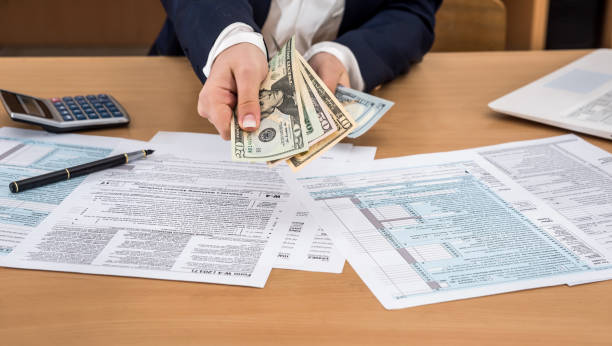
The tax applies when you pay for a transfer with cash, a money order, a cashier’s check or a similar paper payment. This usually happens at walk-in remittance centers.
For example, if you pay $1,000 in cash to send money to the Philippines, you pay an extra $10 in tax. The remittance company collects the tax when you send.
How to avoid the extra 1%
The tax does not apply when you pay with:
- Money from a U.S. bank account
- A U.S.-issued debit or credit card
This means most app-based transfers are not taxed. Sending through an app that you fund from your bank account or debit card helps you avoid the extra 1%.
The IRS released proposed rules for the tax in April 2026. Final rules may add more details, so check for updates.
Remittances are not taxed in the Philippines
Your family in the Philippines does not pay income tax on the money you send. Money earned abroad by overseas Filipinos is generally not subject to Philippine income tax, and sending it home does not change that.
Your family can receive your remittance in full. They may only need to show where the money came from if their bank asks.

Large amounts may be reported
Under the Philippines’ Anti-Money Laundering Act, banks and other financial institutions must report cash transactions of more than 500,000 pesos in one banking day to the Anti-Money Laundering Council.
A report does not mean anything is wrong. It is a standard check. Still, if you send large amounts, it helps to keep records that show where the money came from.
Reporting Philippine bank accounts to the U.S.
If you are a U.S. citizen or green card holder and you have a bank account in the Philippines, you may need to report it to the U.S. government.
When you need to report
You must file a Report of Foreign Bank and Financial Accounts, known as an FBAR, if the total balance of all your foreign accounts was more than $10,000 at any time during the year. This is true even if the balance went over $10,000 for just one day.
For example, if you have a joint account with a parent in the Philippines and you deposit money that brings the balance above $10,000, you may need to file.
You file the FBAR online with the Financial Crimes Enforcement Network using FinCEN Form 114. It is usually due April 15, with an automatic extension to Oct. 15.
Why it matters
Missing an FBAR can lead to penalties of more than $10,000, even if the mistake was not on purpose. Keep receipts and records of money you hold or move for family members, and talk to a tax professional if you are not sure whether you need to file.
Tips for sending money in 2026
- Pay with your bank account or debit card to avoid the 1% tax.
- Keep your transfer receipts and records.
- Check whether your foreign accounts need to be reported.
- Use a licensed money transfer service.
About Smiles Mobile Remittance
Smiles Mobile Remittance is a trusted remittance app for Filipinos abroad. It started in Japan in 2017 and is now available in the U.S.
With Smiles, you fund your transfer with your bank account or debit card, so your padala is not subject to the new 1% cash remittance tax. You can send money to banks, e-wallets such as GCash and cash pickup locations across the Philippines, and you can also pay bills such as Meralco, SSS and Pag-IBIG straight from the app.
Download the Smiles app today and send money home quickly, safely and easily.
This article is for general information only and is not tax or legal advice. Fees and exchange rates may vary.
Today's rate
1 USD = 63.3 PHP
2026 November 1, Sun 17:10Ready to send money overseas? Smiles makes sending money fast, safe, and convenient.