

03.06.2026
Learn Japanese in a Way That Works for You

Table of contents
Living in Japan gives you many chances to hear and use the Japanese language every day. But for many foreigners, learning Japanese can still feel difficult. Between work, daily responsibilities and adjusting to life in a new country, it is not always easy to find the right time or method to study.
The truth is that there is no single way that works for everyone. Some people prefer textbooks and structured lessons, while others learn faster by listening, watching or practicing conversations. The key is to find a learning style that matches your schedule, your goals and the way you understand new information.
Whether you want to pass the Japanese Language Proficiency Test, communicate better at work or simply feel more confident in daily life, choosing the right learning approach can make the process much easier.
Understanding how you learn best
Before downloading apps or buying textboooks, it can help to think about how you usually learn new things. Everyone absorbs information differently, and recognizing your learning style can help you choose better study tools.
Some learners prefer structure and clear progress. These learners often do well with textbooks, organized lessons and specific goals such as preparing for the JLPT. Having a schedule and measurable progress can keep them motivated.
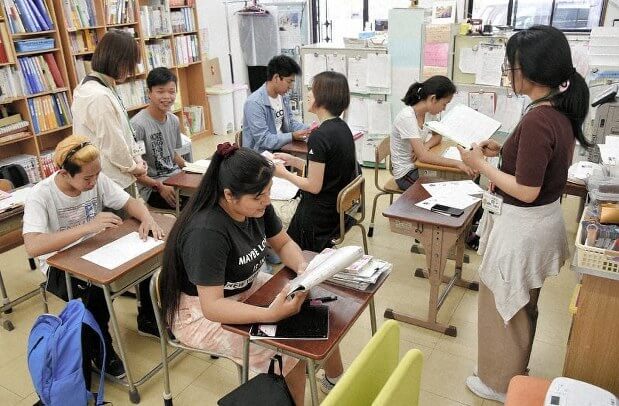
Photo credit: The Mainichi
Others learn better visually. Writing kanji characters, reviewing flashcards or studying charts and diagrams can help them remember patterns and vocabulary more easily.
Some people understand languagges best through sound and daily exposure. Listening to conversations, watching television shows or speaking with friends allows them to learn naturally over time.
There are also many learners who are simply busy. Workers with limited free time often prefer short study sessions and practical vocabulary they can use right away in everyday situations.
Understanding which category fits you can make studying feel less stressful and more productive.
Textbooks that many learners trust
For many people who like clear lessons and step-by-step learning, textbooks are still one of the most reliable study tools.
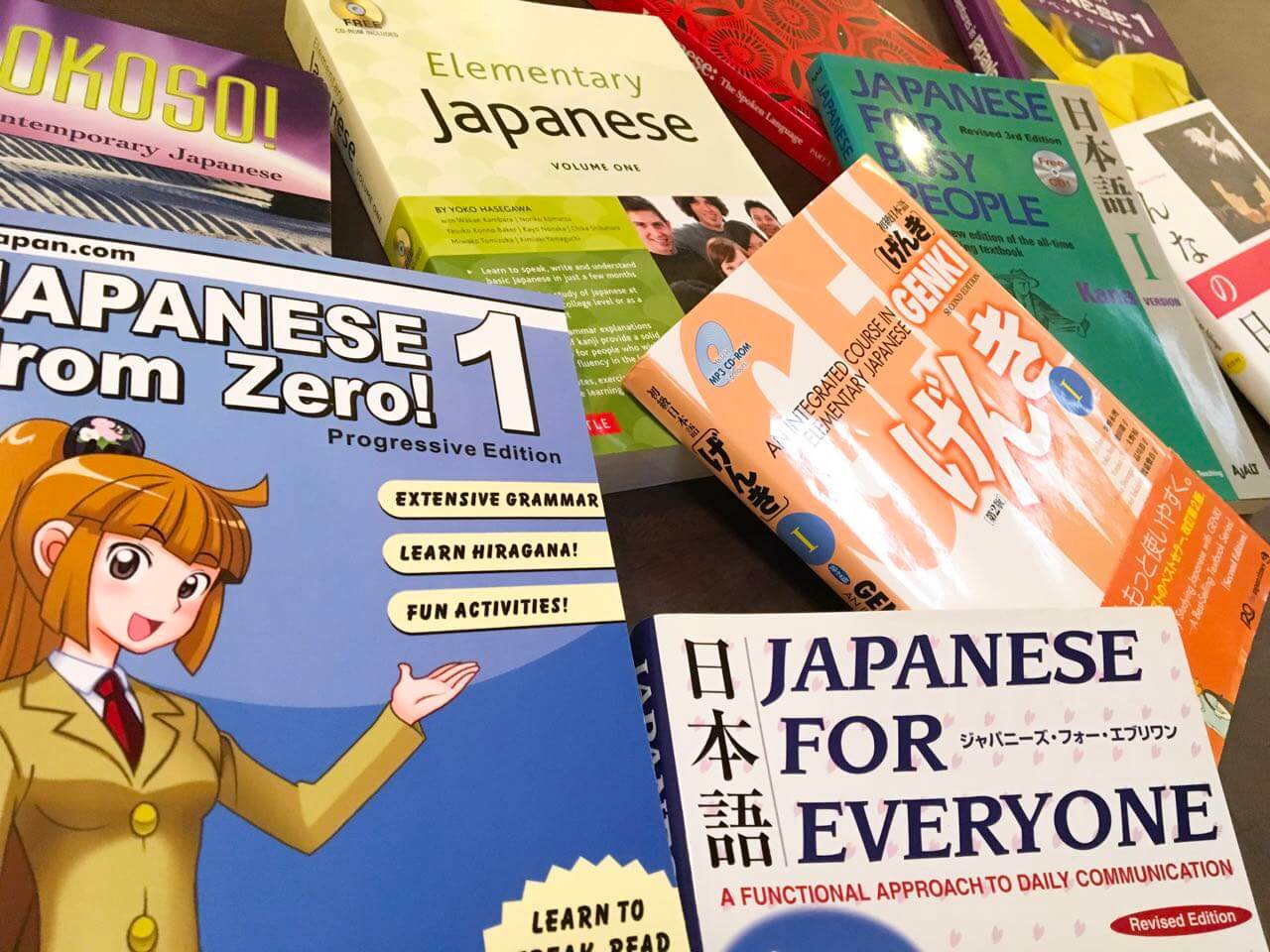
Photo credit: Tofugu
One of the most popular beginner textbooks is Genki. It is widely used by language schools and self-learners because it explains grammar clearly while also introducing useful conversations.
Another well-known series is Minna no Nihongo. This book focuses strongly on grammar and is commonly used in Japanese language schools across the country.
For students who already understand basic grammar and want to prepare for the JLPT, the Shin Kanzen Master series is often recommended. Many learners use it when studying for higher levels such as N3, N2 or N1.
If you want to focus on kanji, books such as Kanji Look and Learn or Shin Kanzen Master Kanji provide writing practice and explanations that help build stronger character recognition.
Helpful apps for daily practice
Mobile apps can also make studying more flexible. While they usually work best as support tools rather than complete courses, they can be very helpful for reviewing vocabulary and grammar.
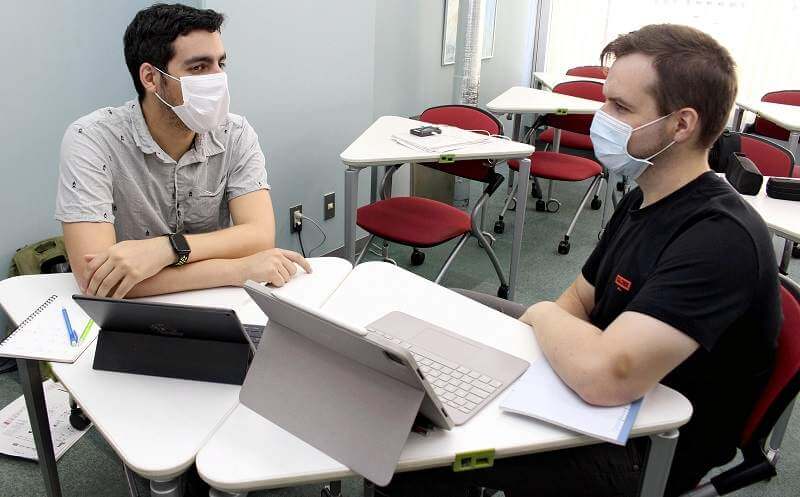
Photo credit: The Japan News
Apps like WaniKani are well known for helping learners recognize and remember kanji. Platforms such as Bunpro focus on grammar practice with structured lessons and review systems. Meanwhile, Renshuu offers a mix of vocabulary, grammar and reading practice in one place.
Because these tools are available on your phone, they make it easier to study during short breaks or while commuting.
Learning through daily exposure
Another powerful way to improve Japanese is through immersion. Living in Japan already gives you acccess to real language in everyday life, and using that environment can make learning more natural.

Photo credit: Guidable
Watching Japanese television shows, anime or YouTube videos with Japanese subtitles can help you recognize common expressions and improve listening skills. Reading manga or simple novels can also strengthen vocabulary and kanji recognition.
Listening to podcasts is another option. Programs such as Japanese with Shun are designed for beginners who want to practice listening at a comfortable pace. More advancced learners sometimes enjoy shows like Bilingual News, which discuss global topics using both Japanese and English.
Even video games can help. Games like Pokemon or Animal Crossing use simple dialogue and everyday vocabulary, making them surprisingly useful for language learners.
Classes and lessons for structured learning
While self-study works for many people, others prefer the guidance of a teacher.

Photo credit: Japan Wonder Travel
Language schools in Japan offer full-time programs where students can study Japanese for up to two years. These programs often focus on JLPT preparation and practical language skills working in Japan.
For people who already have full-time jobs, night classes or weekend lessons may be a better option. These courses usually offer small group instruction and flexible schedules.
Online lessons have also become very popular. Many platforms offer one-on-one classes, group sessions or conversation practice with native teachhers. This option allows learners to study from home while still receiving professional guidance.
The role of the JLPT
For many foreigners living in Japan, the Japanese Language Proficiency Test, or JLPT, is an important goal. The tets measures Japanese ability across several levels, from beginner to advanced.
Passing higher levels can open more career opportunities. Many companies consider the N2 level strong enough for professional communication and may list it as a requirement for certain jobs.
However, registration periods for the JLPT are limited, so it is important to check the official schedule in advance and plan your studies accordingly.
Learning takes time
Becoming comfortable in Japanese does not happen overnight. It requires patience, consistency and a study method that fits your daily life.
Improving your language skills can make everyday tasks easier, strengthen communication at work and create more opportunities in Japan. For many people, it also brings a sense of independence and stability while living abroad.
At Smiles, we understand that progress happens step by step. Just like learning a language, building a life in another country takes time, effort and support along the way. As the No. 1 mobile remittance app in Japan, Smiles aims to make life easier and more convenient for overseas Filipino workers. With 24/7 multilingual support and reliable service, Smiles continues to help users stay connected with their loved ones while sharing smiles across borders.
Today's rate
1 JPY = 0.374 PHP
2026 March 15, Sun 09:00Ready to send money overseas? Smiles makes sending money fast, safe, and convenient.