


05.15.2026
How to Prepare for Earthquakes in Japan: A Practical Guide for Residents
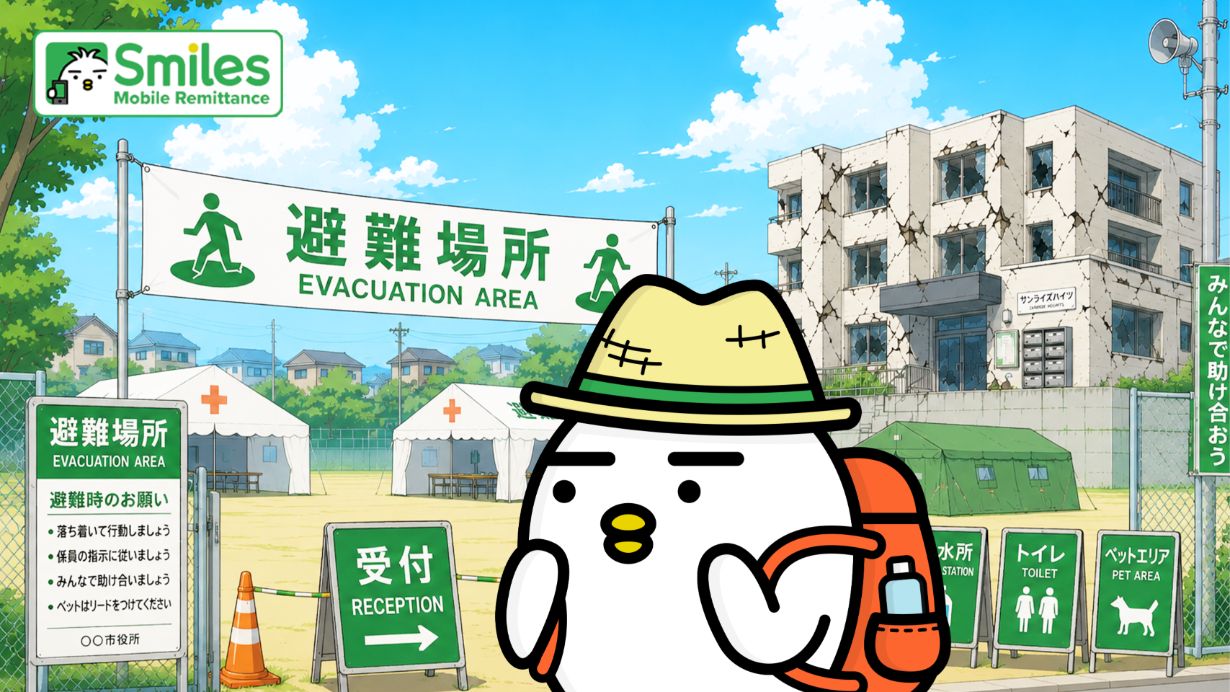
Table of contents
Japan is one of the most earthquake-prone countries in the world. Small tremors happen regularly, and larger earthquakes can happen without warning. Because of this, disaster preparation is considered part of daily life in Japan.
While earthquakes can feel scary, being prepared can make a big difference. Simple steps like preparing an emergency bag, knowing where to evacuate and understanding alert systems can help keep you and your family safe.
Japan also has some of the world’s most advanced earthquake warning systems, giving residents a few seconds to react before strong shaking begins.
What to put in an emergency bag (非常用持ち出し袋)
An emergency bag should be easy to grab quickly during an evacuation. Many people in Japan keep one near the front door or beside their bed.
Your emergency bag should include enough supplies to help you survive for at least three days.
Emergency bag checklist:
Food and water
- Drinking water (at least a 3-day supply)
- Non-perishable food such as canned food, instant meals, crackers or energy bars
- Portable utensils if needed
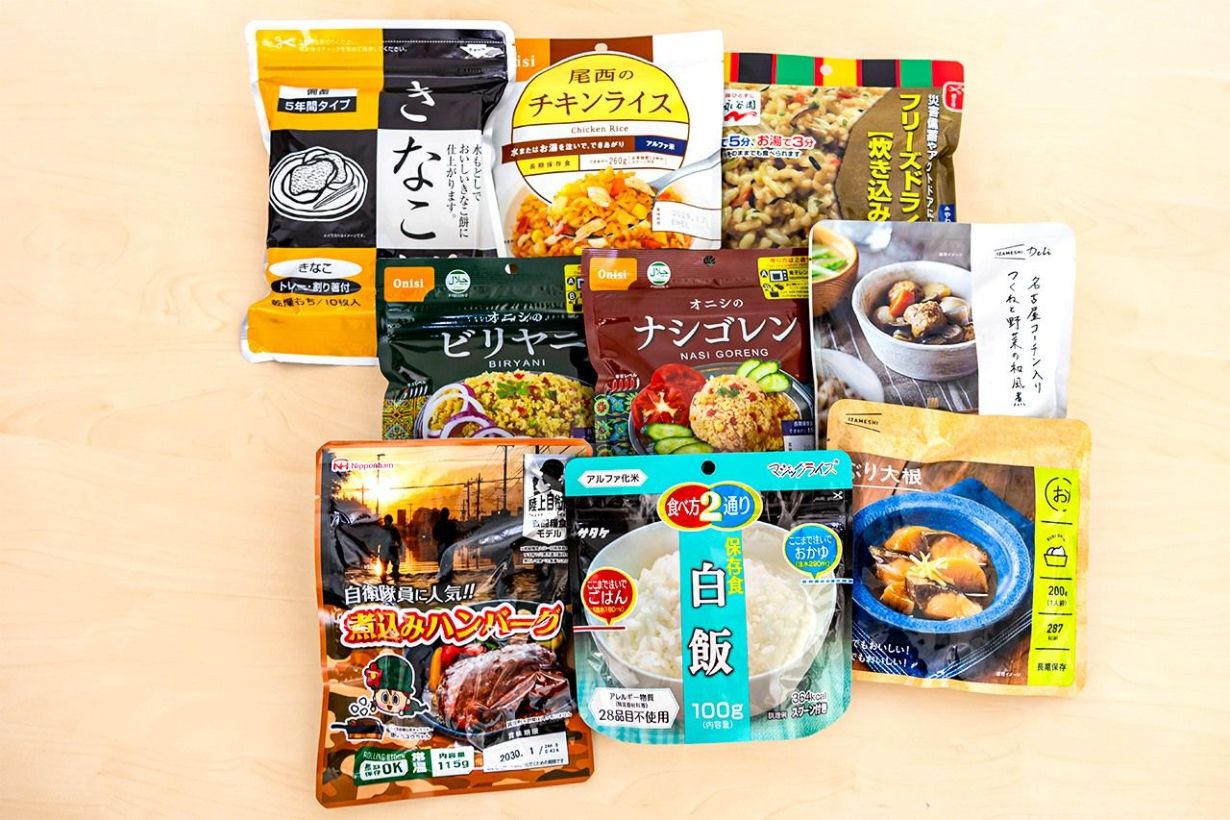
Photo credit: Nippon
Emergency tools
- Flashlight
- Extra batteries
- Portable radio
- Mobile battery pack or charger
- Powerbank for smartphones
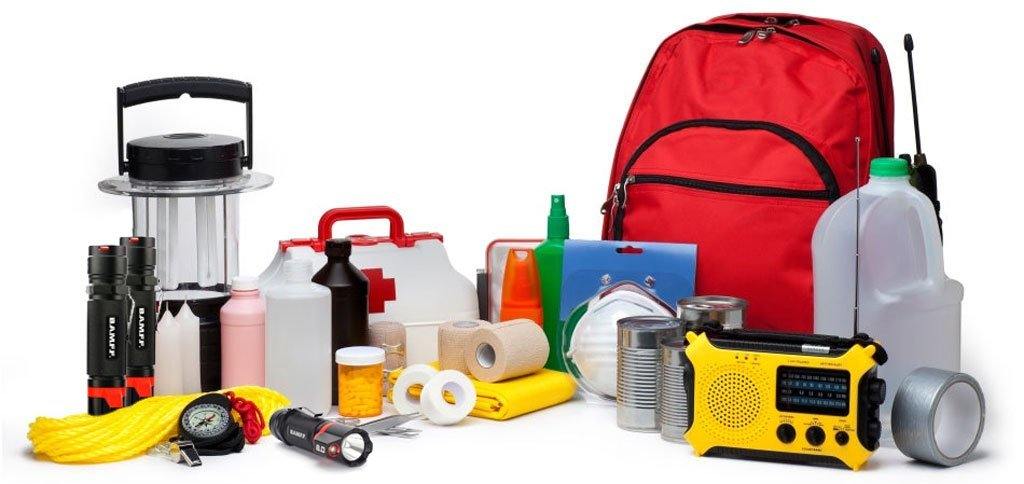
Photo credit: STKR Concepts
Important documents and money
- Copies of your passport and residence card
- Emergency contact information
- Cash in small bills and coins
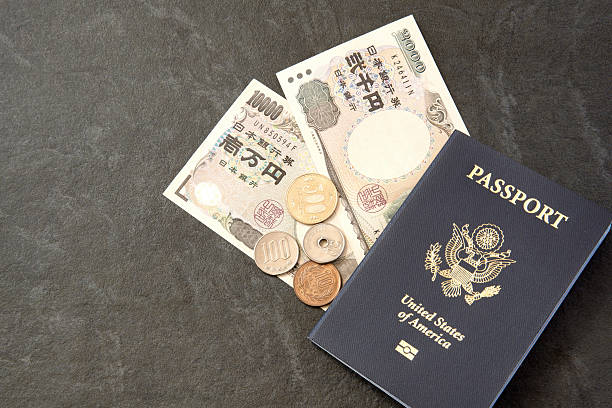
Photo credit: iStock
Note: Cash is important because ATMs and card payment systems may temporarily stop working after a major earthquake.
Health and first aid
- First aid kit
- Daily medicines
- Masks
- Alcohol wipes or wet wipes
- Hygiene products
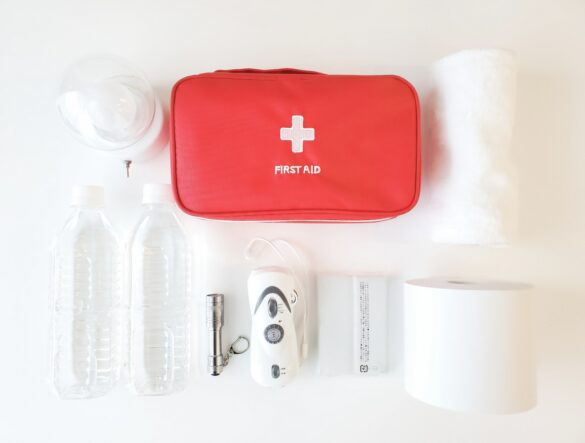
Photo credit: Belonging Japan
Clothing and personal items
- Warm clothing
- Socks and underwear
- Rainwear or poncho
- Towels
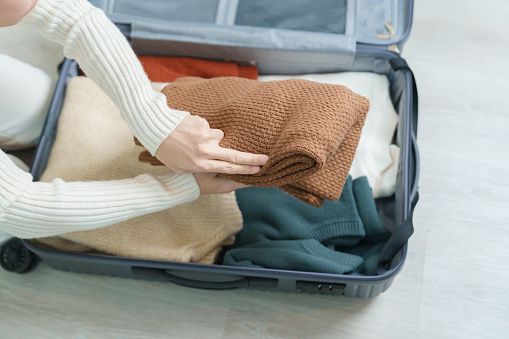
Photo credit: iStock
It is also a good idea to regularly check your emergency bag and replace expired food, water and batteries.
Know where to evacuate
In Japan, evacuation sites are usually located at schools, parks, gyms or public facilities. These places are designed to provide temporary shelter during emergencies.
You can find your nearest evacuation site by:
- Checking your city or ward website
- Looking at local disaster prevention maps
- Following evacuation signs posted around your neighborhood
Before an emergency happens, it is important to know exactly where you should go. If possible, try walking the evacuation route once so you are familiar with it.
Many local governments also provide multilingual disaster information for foreign residents.
Understanding earthquake alerts in Japan
Japan uses advanced systems to warn people about earthquakes. One of the main systems is the earthquake early warning system, also called 緊急地震速報 (Kinkyu Jishin Sokuhou). It is operated by the Japan Meteorological Agency.
These alerts may appear through:
- Smartphone notifications
- Television broadcasts
- Radio announcements
- Public speaker systems at stations or in neighborhoods
You may only have a few seconds to react before strong shaking starts, but those few seconds can still help people move away from danger, protect themselves or stop unsafe activities.
Japan also uses the J-Alert system to quickly share emergency information during disasters and other emergencies.
If you receive an earthquake alert:
- Stay calm
- Protect your head
- Move away from windows or falling objects
- Do not use elevators
Stay connected to family back home
Preparing for earthquakes does not need to be complicated. Small steps like preparing an emergency bag, storing supplies and knowing your evacuation point can help you feel safer and more confident during emergencies.
Living in Japan means learning how to prepare for natural disasters as part of everyday life. Taking action today can help protect you and the people around you in the future.
At Smiles, we understand the challenges of living abroad. During emergencies, staying connected with loved ones and managing your finances becomes even more important. That is why we continue to make sending money home simple, secure and reliable for people living in Japan.
Today's rate
1 JPY = 0.4 PHP
2026 September 21, Mon 14:45Ready to send money overseas? Smiles makes sending money fast, safe, and convenient.