

01.16.2026
Canada Pathways for Filipinos
Table of contents
Canada remains one of the most attractive destinations for Filipinos seeking better career opportunities, quality education, and long-term stability. In 2026, Canada Pathways for Filipinos continues to focus on skilled workers, international students, and family reunification—making this the right time to understand your options clearly.
1. Express Entry
Express Entry remains one of the fastest and most competitive ways to become a permanent resident of Canada. This federal system selects skilled workers based on age, education, work experience, and language ability.

There are three main programs under Express Entry:
- Federal Skilled Worker Program for professionals with overseas experience
- Canadian Experience Class for those with Canadian work history
- Federal Skilled Trades Program for qualified trade workers
Filipinos with strong English test results, relevant work experience, and educational credentials often perform well under this system. Many applicants strengthen their profile by gaining Canadian work experience or securing a provincial nomination.
2. Provincial Nominee Programs (PNP)
Provincial Nominee Programs continue to grow in importance in 2026. Provinces such as Ontario, Alberta, Saskatchewan, and Manitoba actively invite immigrants to fill local labor shortages.
PNPs focus on:
- Healthcare workers
- IT and tech professionals
- Trades and skilled labor
- Hospitality and service roles
A provincial nomination significantly boosts an applicant’s chances of receiving permanent residency. For many Filipinos, this pathway offers a more achievable alternative to federal programs alone.
3. Education as a Long-Term Strategy
The study-to-PR pathway remains popular among young Filipinos. Students begin with a study permit, gain Canadian credentials, and then transition into the workforce.
After graduation, eligible students apply for a Post-Graduation Work Permit (PGWP), which allows them to gain valuable Canadian work experience. This experience later supports applications under Express Entry or PNP programs.
Families in the Philippines often support students financially during this stage. Reliable money transfer services play a key role in ensuring tuition fees, rent, and daily expenses are paid on time.
4. Work Permits and Caregiver Pathways
Employer-based work permits also provide opportunities for Filipinos in 2026. These permits allow individuals to work legally in Canada and later qualify for permanent residency.
Caregiver programs remain especially relevant to Filipinos with healthcare or caregiving backgrounds. Applicants gain Canadian work experience while supporting families and communities in need.
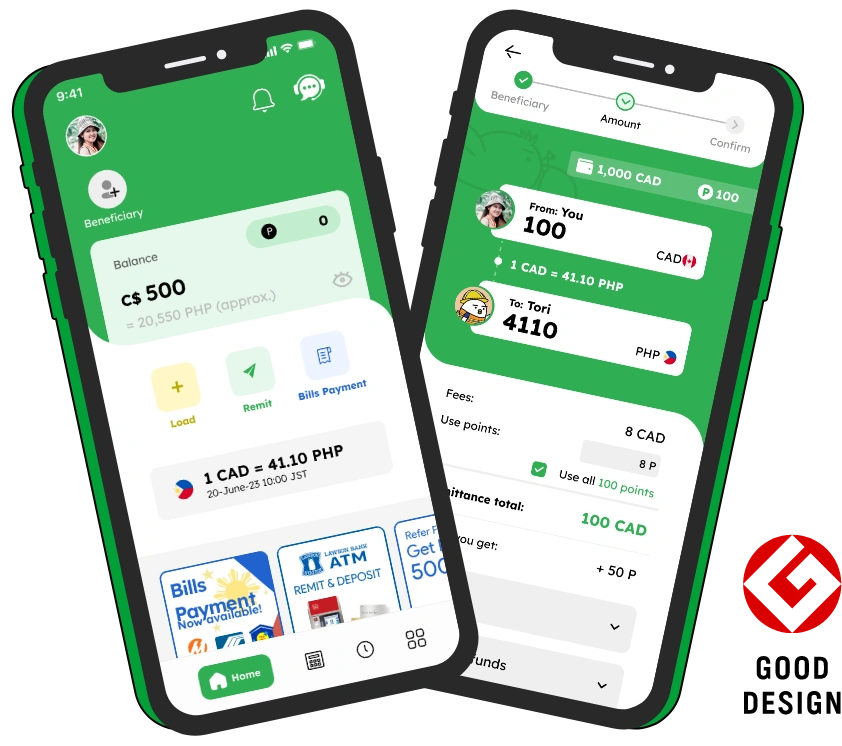
During this phase, many overseas Filipino workers send money home regularly. Smiles Mobile Remittance offers a secure and convenient way to send funds from Canada to the Philippines, helping families manage expenses while workers build their future abroad.
5. Family Sponsorship and Long-Term Visits
Filipinos with close relatives in Canada may qualify for family sponsorship. Spouses, partners, and dependent children often receive priority.

For parents and grandparents, the Super Visa allows long-term stays in Canada, although it does not lead directly to permanent residency. Still, it offers families the chance to reunite and spend extended time together.
Why Financial Planning Matters in Your Immigration Journey
Immigrating to Canada involves more than visas and documents. It also requires careful financial preparation. Application fees, settlement costs, and family support all play a role.
Trusted services like Smiles Mobile Remittance help Filipinos abroad send money quickly and safely to loved ones in the Philippines. This support system becomes especially important for students, new workers, and caregivers adjusting to life in Canada.
Today's rate
1 CAD = 43.35 PHP
2026 March 11, Wed 19:45Ready to send money overseas? Smiles makes sending money fast, safe, and convenient.