

Japan’s influenza season has started unusually early this year, with Tokyo reporting influenza activity above the threshold used to mark the beginning of the season in August.
For people living in Japan, this is a good reminder to take basic precautions early and know what to do if flu symptoms appear.
Flu Season Has Started Early This Year
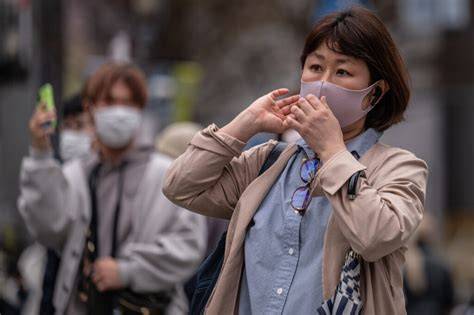
Photo credit: Arab News
Tokyo officially announced the start of its influenza season after the average number of reported patients reached 1.49 per sentinel medical institution during the week of August 17–23, 2026. This exceeded Tokyo’s threshold of 1.0 patient per institution, which is used as an indicator that the influenza season has begun.
The timing is particularly notable. Last year, Tokyo reached the same threshold during the week of September 22–28, meaning this year’s season began more than one month earlier.
In Japan, seasonal influenza typically spreads between December and March, although the timing can vary from year to year. The Ministry of Health, Labour and Welfare has noted that Japan has experienced earlier-than-usual influenza activity in recent years, and 2026’s season began especially early. The national season was also the second-earliest start recorded since influenza surveillance began in 1999.
How Does Japan Decide When Flu Season Starts?
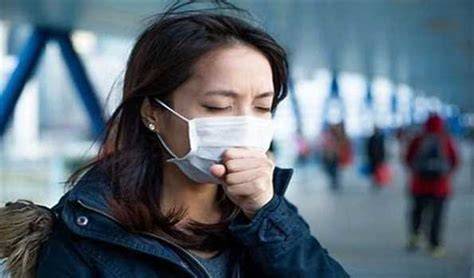
Photo credit: Goa Chronicle
Japan monitors influenza activity through a system of designated sentinel medical institutions. These clinics and hospitals report the number of influenza patients they see each week, allowing health authorities to track changes in infection levels.
In Tokyo, influenza surveillance is conducted through 419 designated medical institutions, made up of pediatric and internal medicine facilities. The reported cases are used to calculate the average number of influenza patients per institution.
When the weekly average reaches 1.0 patient per sentinel institution, Tokyo uses this as the indicator that influenza activity has entered its seasonal period. Higher thresholds are also used to indicate advisory and warning levels as cases continue to increase.
This system gives health authorities an early indication of changes in influenza activity and helps residents understand when additional precautions may be needed.
How to Protect Yourself From Influenza
Because influenza can spread through respiratory droplets and contact with contaminated hands or surfaces, everyday habits can help reduce the risk of infection.
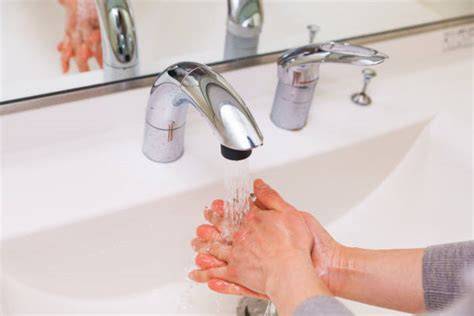
Photo Credit: iStock
Some simple precautions include:
- Wash your hands regularly. Use soap and running water, particularly after returning home and before eating.
- Alcohol-based hand sanitizer can also be effective against influenza viruses.
- Practice good cough etiquette. Cover your mouth and nose when coughing or sneezing, and avoid directing coughs or sneezes toward others.
- Wear a mask when appropriate. Masks can be useful in crowded indoor settings or situations where they can help reduce the spread of respiratory infections.
- Ventilate indoor spaces. Opening windows or otherwise improving airflow can help reduce the concentration of respiratory particles indoors.
- Get enough rest and maintain a balanced diet. Taking care of your overall health is an important part of staying well during flu season.
- Influenza vaccination is also an option for reducing the risk of symptomatic illness and severe disease. People who are older or have certain underlying health conditions may have a higher risk of complications and should consider discussing vaccination and prevention with a health professional.
What Should You Do If You Get Sick?
Influenza symptoms can appear relatively quickly and may include fever, headache, muscle or joint pain, fatigue, sore throat, cough and a runny nose. Some people may have mild symptoms, while others can become seriously ill.
If you become sick, prioritize rest and hydration and try to avoid close contact with other people to reduce the chance of spreading the virus. The Ministry of Health, Labour and Welfare advises people with respiratory symptoms to avoid crowded places and practice cough etiquette.
If your symptoms are severe, worsening, or you are concerned about your risk of complications, consult a medical professional. Children, older adults and people with certain underlying health conditions can be more vulnerable to serious complications from influenza.
Japanese Cold and Flu Medicines
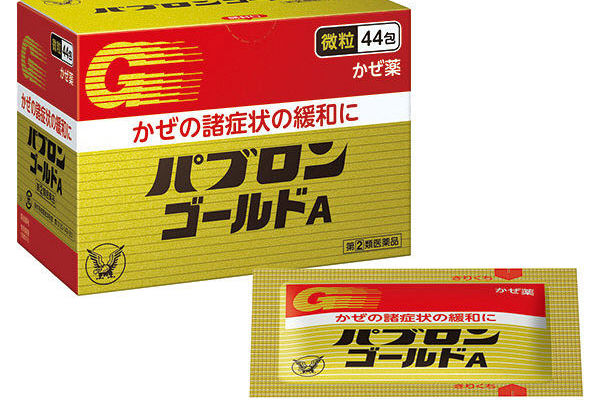
Japan has a wide range of over-the-counter cold and flu medicines that can help relieve certain symptoms. However, different products contain different active ingredients, so it is important to read the package and usage instructions carefully.
Be especially careful when taking more than one medicine, as different products may contain some of the same ingredients. If you are unsure which medicine is appropriate for you, ask a pharmacist or other medical professional.
Stay Prepared This Flu Season
Tokyo’s influenza season has already begun, much earlier than the typical December-to-March period.
While it is impossible to avoid every infection, simple habits can help protect you and those around you. Wash your hands, practice good cough etiquette, ventilate indoor spaces and take care of your health. If you become sick or develop concerning symptoms, know when to seek professional medical advice.
With influenza activity starting earlier this year, staying prepared can help you and your family stay healthier throughout the season.
Stay Connected With Smiles
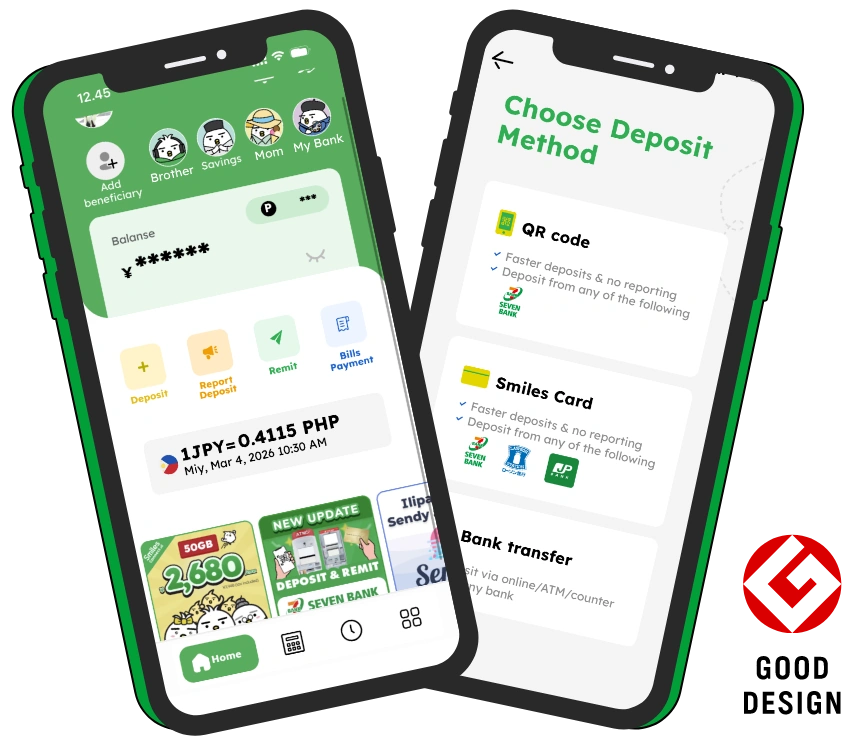
Living in Japan means taking care of yourself while staying connected with loved ones back home. With Smiles Mobile Remittance, you can conveniently send money to the Philippines through your phone, helping support your family even when you’re miles apart.
Download the Smiles app and make every remittance count.
Today's rate
1 JPY = 0.3985 PHP
2026 October 21, Wed 14:00Ready to send money overseas? Smiles makes sending money fast, safe, and convenient.