

Japan’s Growing Foreign Workforce: Trends, Jobs and Economic Impact

Author
Jasmin

Japan’s foreign workforce has reached a record high. As of October 2025, 2,571,037 foreign workers were employed in Japan, an increase of 11.7% from the previous year. The number of businesses employing foreign workers also reached a record high of 371,215.
As Japan’s working-age population declines and labor shortages continue, foreign workers are becoming an increasingly important part of the country’s labor market. But what does this growing workforce mean for Japan’s economy, business and communities?
Why is Japan hiring more foreign workers?
Japan continues to face labor shortages as its population ages and its working-age population declines. The Ministry of Health, Labour and Welfare estimates that Japan’s working age population could fall from about 75 million in 2020 to 62 million by 2040.
The Bank of Japan has also pointed to continued labor supply challenges as demographic changes affect Japan’s workforce.
For businesses, this means finding enough workers can be difficult. As a result, more companies are looking beyond Japan to fill open positions and maintain their operations.
Foreign workers are not limited to one type of job. They work across manufacturing, retail, food service, health care, construction, information technology and other fields. In fact, 371,215 businesses in Japan employed foreign workers as of October 2025.
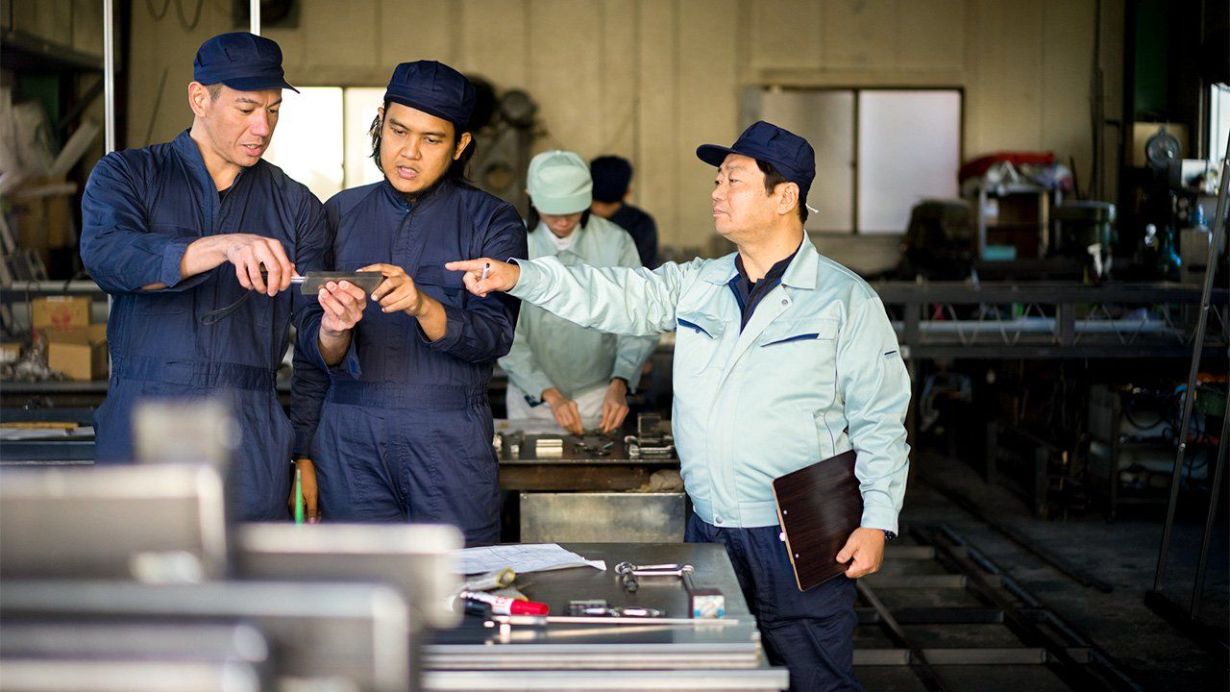
Photo credit: HSB Japan
Which industries employ the most foreign workers?
Manufacturing remains the largest employer of foreign workers, accounting for 635,075 workers, or 24.7% of the total.
- Other major industries include:
- Services: 391,946 workers
- Wholesale and retail: 340,687 workers
- Accommodation and food services: 319,999 workers
- Medical and welfare services: 146,105 workers
- Construction: 206,468 workers
The numbers show that foreign workers are supporting a wide range of industries, not just factory jobs. Medical and welfare services, accommodation and food services, and construction have also seen strong growth in foreign employment.
Professional and technical work is also becoming a larger part of the picture. Workers under professional and technical residence statuses totaled 865,588 in October 2025, up 20.4% from the previous year.
How are foreign workers contributing to Japan’s economy?
One of the most direct contributions of foreign workers is helping businesses fill positions in industries facing labor shortages. By working in factories, restaurants, stores, hospitals, construction sites and offices, they contribute to the goods and services produced in Japan.
Their economic role also extends beyond the workplace.
Like other workers, foreign workers spend money on rent, food, transportation, shopping and other everyday needs. This spending supports local businesses and contributes to domestic economic activity.
In other words, foreign workers are part of both sides of the economy: they help supply labor and also create demand as consumers.

Photo credit: PNA Gov PH
Foreign workers and remittances
For many foreign workers, earning an income in Japan also means supporting family members in their home countries.
Japan’s outbound personal transfers reached ¥1.004 trillion in fiscal 2025, marking the first time the figure exceeded ¥1 trillion. The amount was also more than double the level recorded in fiscal 2015.
Vietnam was the largest destination, receiving about ¥288.8 billion, followed by Indonesia at ¥89.8 billion and the Philippines at ¥67.2 billion.
These transfers show another connection between Japan’s labor market and economies overseas. Money earned by workers in Japan can help families abroad cover everyday expenses, education, housing and other financial needs.
For many foreign workers, sending money home is an important part of managing their finances and staying connected with family.
Click here to see the latest JPY/PHP rate.
How Japan’s foreign workforce is changing
Japan’s foreign workforce has grown significantly over the past decade. The latest figure of 2.57 million workers is nearly three times the number recorded in 2015.
The workforce is also becoming more diverse. Vietnam remains the largest source of foreign workers, followed by China and the Philippines. Other groups are growing quickly as well. The latest data shows particularly strong increases among workers from countries such as Myanmar, Indonesia and Sri Lanka.
The types of jobs foreign workers hold are changing, too. Professional and technical workers now make up the largest residence-status category, showing that foreign workers are increasingly part of Japan’s professional workforce as well as industries traditionally affected by labor shortages.
Together, these changes show how the role of foreign workers in Japan is evolving. They are not only filling jobs but also becoming a larger part of Japan’s communities and economy.
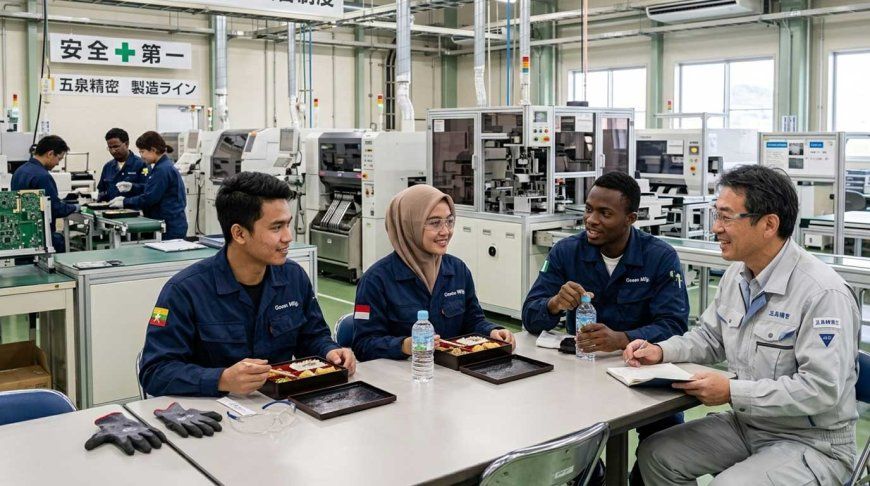
Photo credit: Nipino
Stay connected with Smiles
For many foreign workers, life in Japan also means staying connected with loved ones and responsibilities back home.
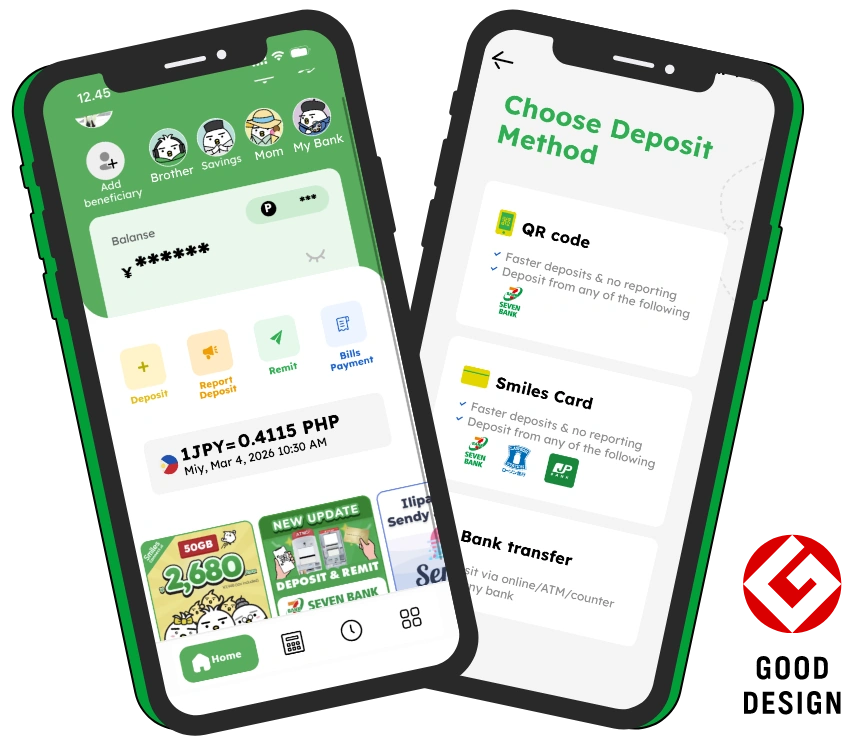
Smiles Mobile Remittance makes it easy to send money from Japan to family and loved ones overseas using your smartphone. With Smiles, you can register, deposit money and send a remittance through the app.
Whether you are sending money to support your family, help with everyday expenses or simply share a little extra from your earnings, Smiles helps you stay connected across the miles.
Today's rate
1 JPY = 0.404 PHP
2026 October 25, Sun 19:15Ready to send money overseas? Smiles makes sending money fast, safe, and convenient.